Waiting Is a Hidden Form of Friction
People often think of friction as difficulty or effort. In practice, waiting creates just as much disruption.
A task that requires ten minutes of action but two hours of delay rarely happens when intended. The solution becomes something that is postponed until it becomes unavoidable.
Common examples include:
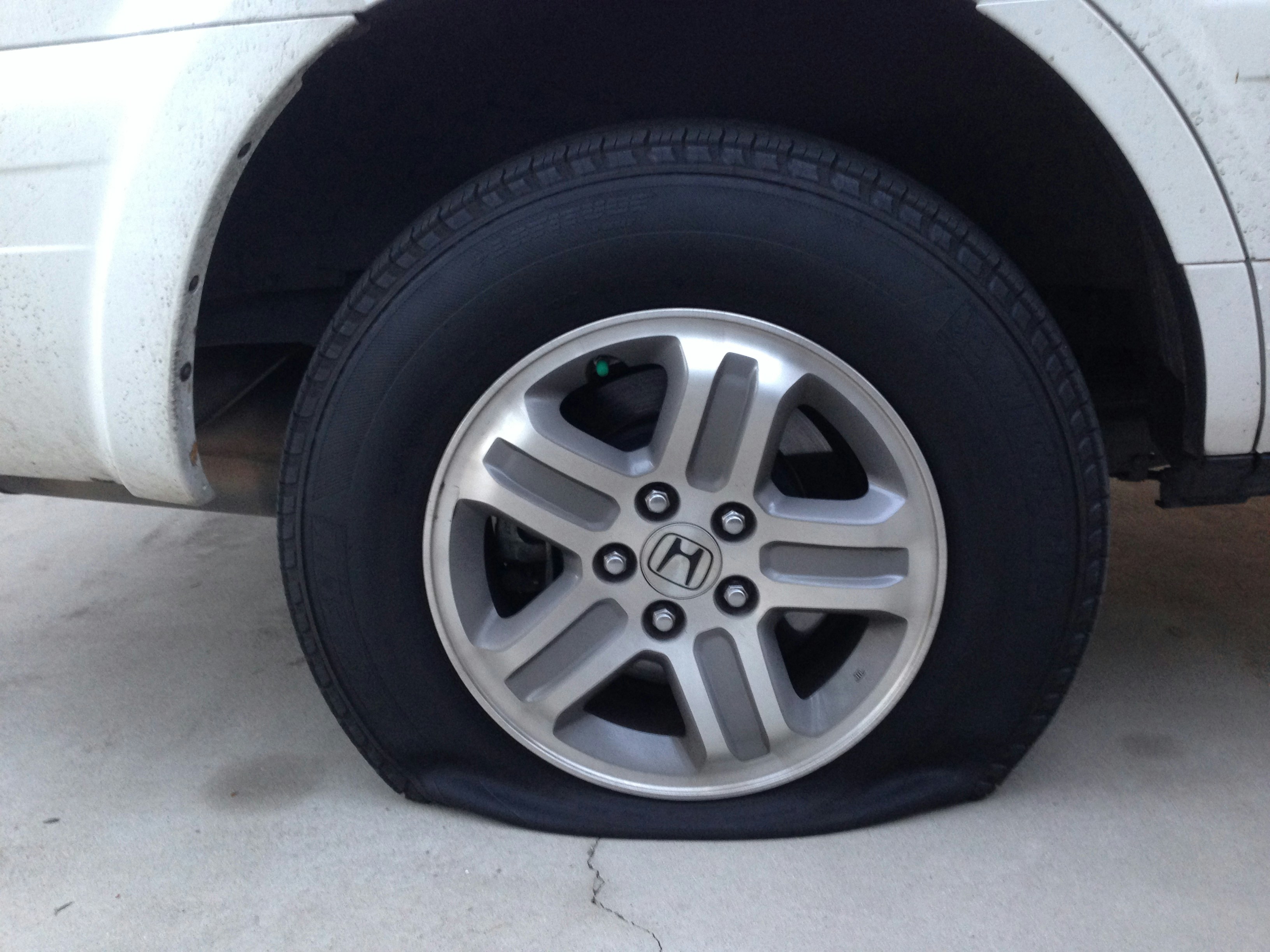
• finding a place to inflate a tire
• waiting for another vehicle to jump a battery
• locating a charger when a device is low on power
In each case, the barrier is not skill or complexity. It is simply the absence of a nearby tool.
Removing that absence changes behavior.
Proximity Changes Decisions
When tools exist exactly where problems appear, people respond immediately instead of delaying the task.
A driver who keeps a tire inflator in the trunk fixes low pressure at home instead of planning a gas station stop. A jump starter in the vehicle removes the need to search for help. A power bank in a bag prevents a dead phone during travel.
The task becomes small enough to handle in the moment.
This principle closely relates to the idea explored in Local Capability Removes Emergency Friction, where placing tools near problems eliminates dependence on outside infrastructure.
The difference is behavioral: when waiting disappears, maintenance becomes routine.
The Pattern Behind Waiting-Removal Tools
Tools that eliminate waiting often share a few characteristics:
They solve predictable problems
They stay close to where those problems appear
They work without setup or preparation
They remain ready even if used infrequently
These tools behave less like gadgets and more like infrastructure. Their usefulness comes from placement rather than sophistication.
In many environments, the most valuable tools are simply the ones that are already there.
Practical Questions
What kinds of problems benefit most from waiting-removal tools?
Predictable problems with simple solutions. Tire pressure, battery power, and charging access are good examples because the fix is straightforward once the right tool is nearby.
Do these tools replace larger systems or services?
No. They simply handle the small issues that occur before outside help becomes necessary. Their value is in solving the first step of a problem.
Where should these tools live?
Where the problem appears most often. A vehicle trunk, a work bag, or a desk drawer are common places where waiting-removal tools quietly prove their usefulness.
Closing Insight
The most useful tools are often the ones that shorten the distance between a problem and its solution.