
Predictable Problems Deserve Local Tools
Many driving inconveniences follow the same pattern. They are not catastrophic failures, but small issues that appear at inconvenient times.
Examples include:
a tire pressure warning before leaving the driveway
a battery that fails in a parking lot
a slow leak discovered during a road trip
These problems rarely require a mechanic. They require a tool and a few minutes of attention.
The friction appears when the solution is somewhere else. If the nearest air pump is across town or a jump start requires waiting for another driver, a simple correction becomes a delay.
Vehicle infrastructure tools remove that delay by keeping solutions close to the problem.
Infrastructure Changes Behavior
Tools that stay in a vehicle tend to get used differently than tools stored elsewhere. When the solution is immediately available, maintenance becomes something that happens quickly rather than something that gets postponed.
A tire warning light can be handled before leaving the driveway. A weak battery can be addressed in a parking lot instead of calling for help. The vehicle becomes capable of handling small issues on its own.
This idea closely relates to the concept explored in local capability removes emergency friction, where tools placed near problems eliminate dependence on outside infrastructure.
The difference is that vehicle tools are mobile. The capability travels with you.
Three Tools That Quietly Stabilize a Vehicle
A small set of tools can handle the majority of everyday vehicle friction. These tools are not specialized or complicated. They simply address the most predictable problems that appear during normal driving.
Utility
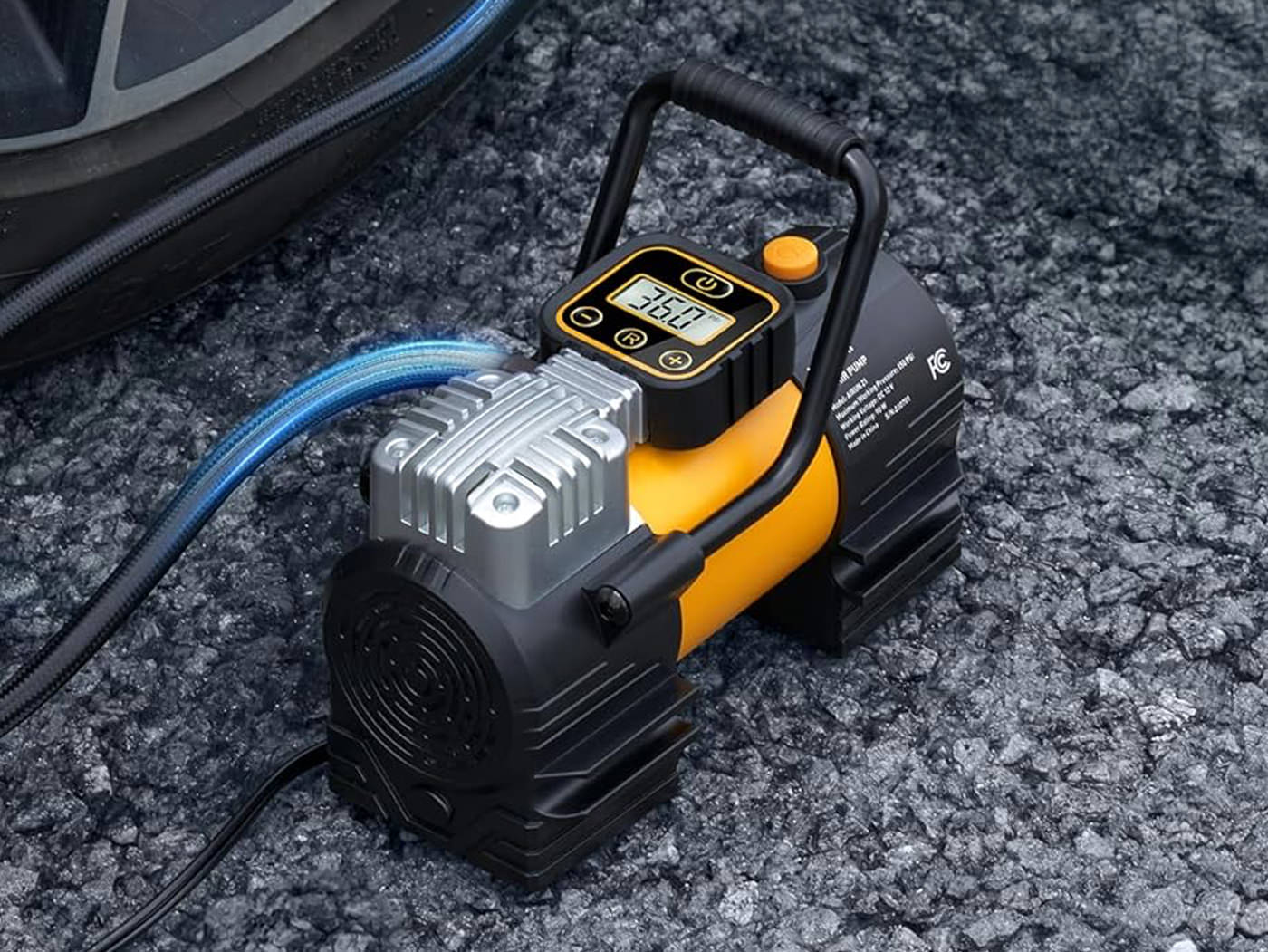
Portable Tire Inflator
A trunk-stored inflator allows tire pressure to be corrected immediately instead of requiring a gas station stop. This turns tire maintenance into a quick driveway task rather than an errand.
Utility
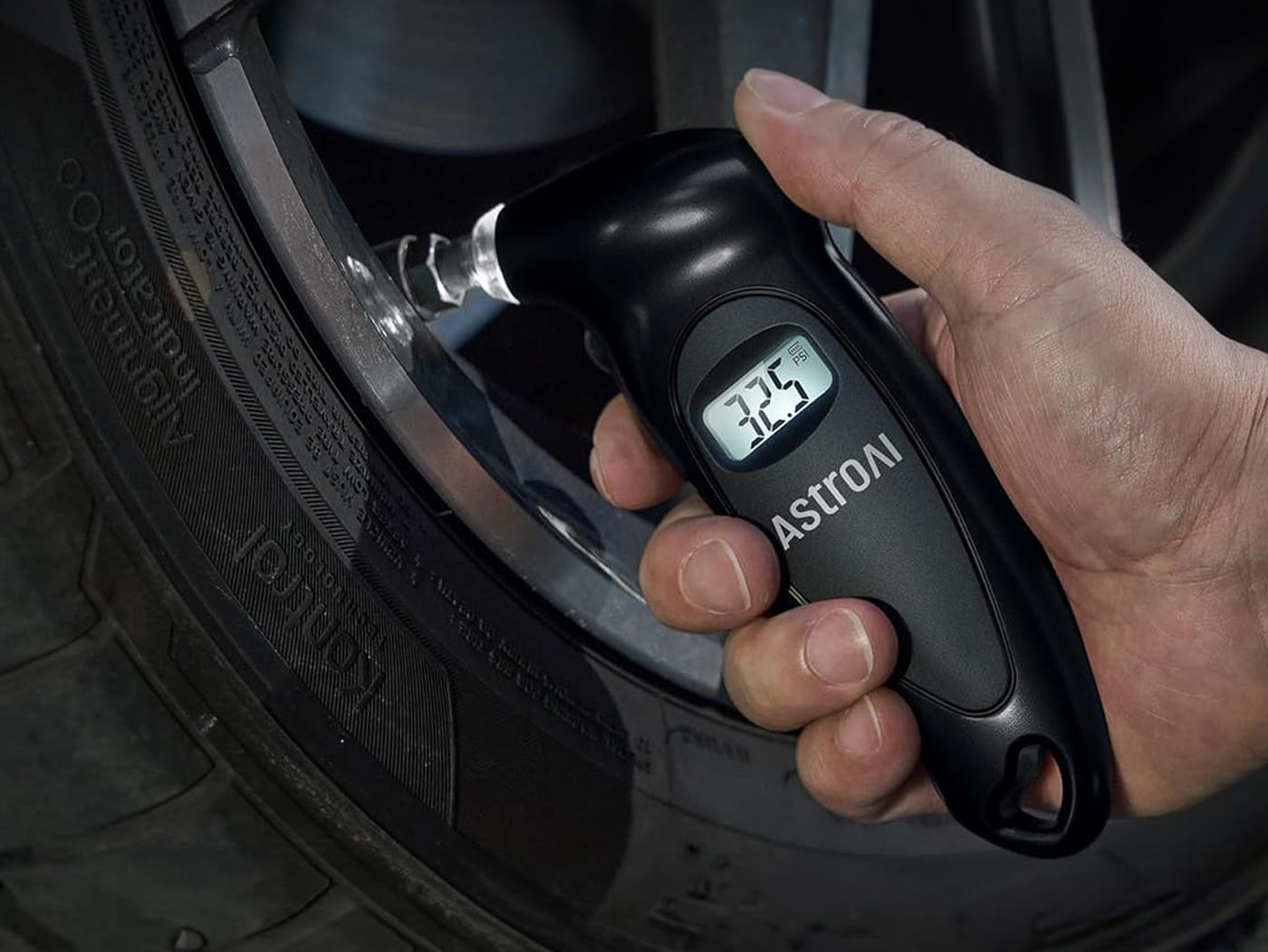
Digital Tire Pressure Gauge
A compact pressure gauge removes guesswork by quickly confirming tire pressure. It pairs naturally with an inflator and encourages routine checks rather than reactive fixes.
Utility
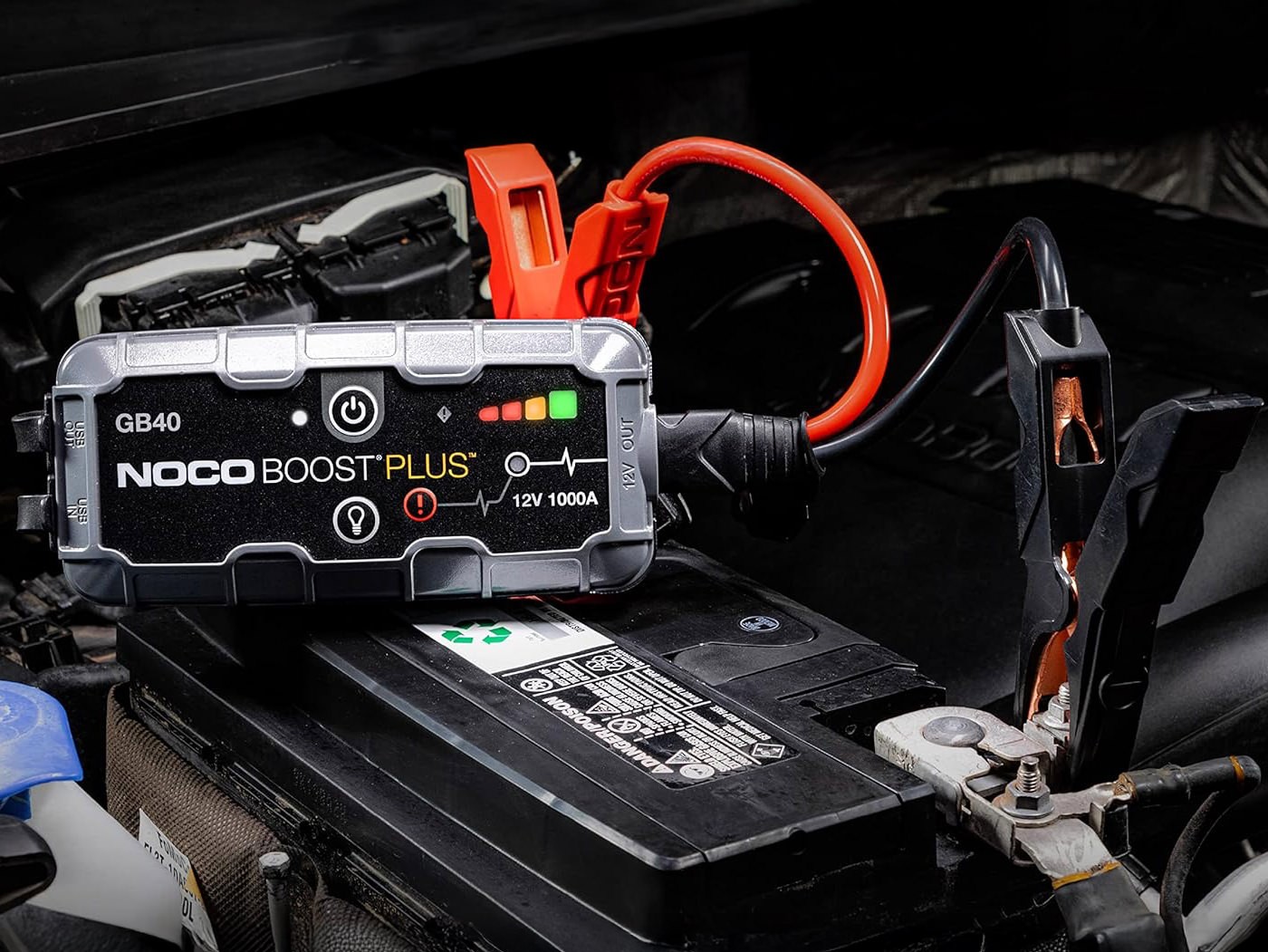
Portable Car Jump Starter
A lithium jump starter allows a vehicle to start without another car. This model also includes a flashlight and USB charging, making them useful for both mechanical and minor electrical situations.
Stability Matters More Than Capability
Vehicle infrastructure tools work best when they stay with the vehicle permanently. A tool that moves between garages, workbenches, or storage bins slowly loses its usefulness.
Permanence changes behavior. The driver begins to rely on the presence of the tool. Problems get addressed immediately because the solution is always nearby.
This principle appears in other Useful Goods Notes as well. For example, the tool that belongs in every trunk explores how certain tools earn a permanent place in a vehicle because they solve recurring problems rather than rare ones.
Practical Questions
How many tools should a vehicle carry?
Very few. The goal is not to build a large emergency kit. A small group of reliable tools that solve predictable problems is usually enough.
Should vehicle tools be powerful or portable?
Portability usually matters more. Tools that store easily in a trunk are more likely to stay with the vehicle long term.
Where should these tools live?
Ideally in a consistent place such as a trunk organizer or storage compartment so they remain easy to find when needed.
Closing Insight
Vehicle infrastructure tools are rarely dramatic purchases. Their value appears gradually as small problems stop interrupting a trip.