Some links may earn a commission.
Portable Car Jump Starter
UG Score
9.1
A compact lithium jump starter that lets you restart a dead car battery without another vehicle, turning a common roadside failure into a quick self-recovery.
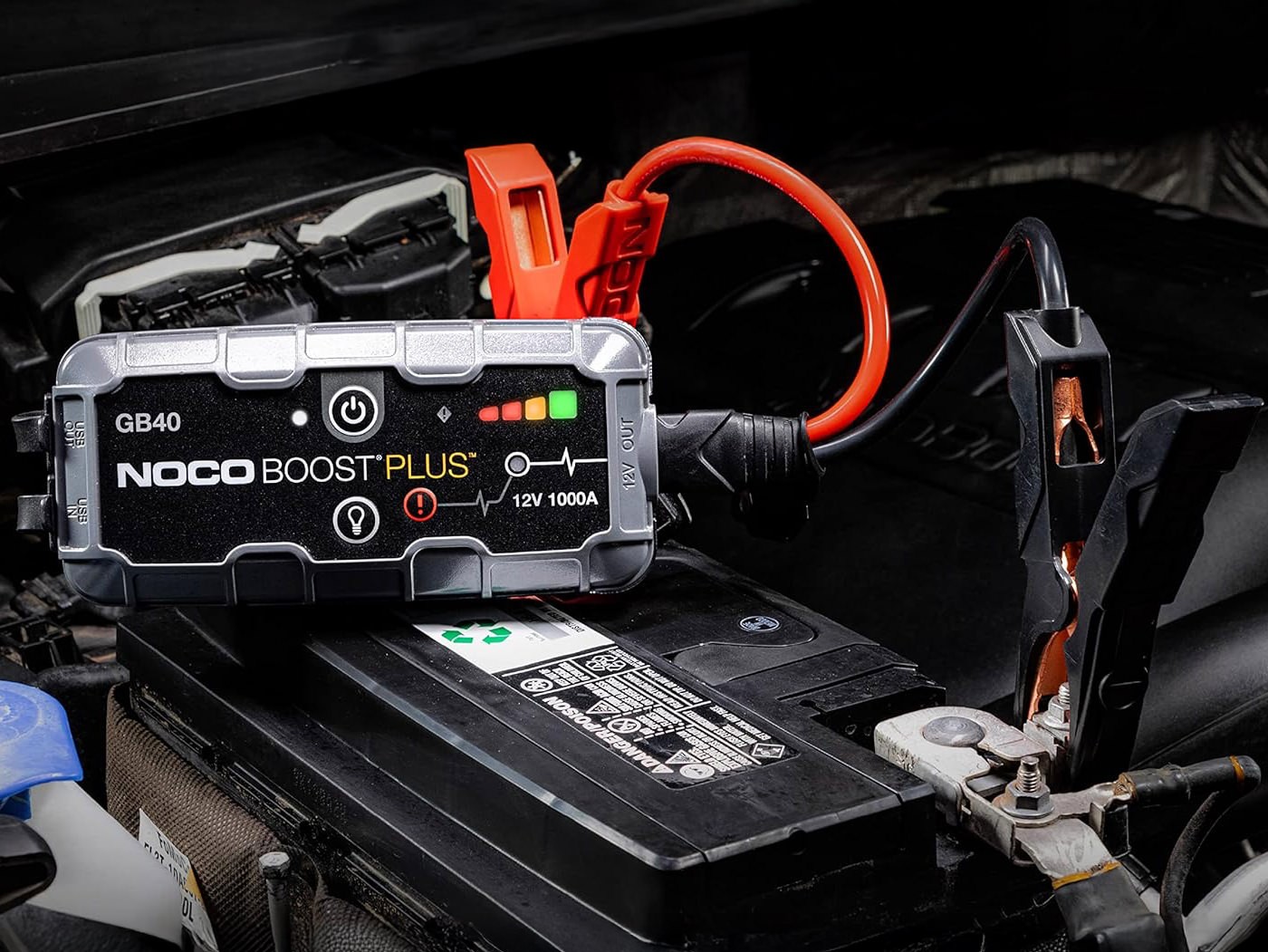
Why a portable jump starter belongs in every vehicle
This is best for: drivers who want the ability to restart their vehicle without relying on another car.
Dead batteries rarely fail at convenient times. They happen in parking lots, early mornings, and places where another vehicle may not be nearby. Traditional jumper cables solve the problem only if another driver is available.
A portable jump starter changes that situation completely. Instead of relying on outside help, the power needed to start the engine lives in the trunk.
This is best for: drivers who want to solve a dead battery immediately without depending on another vehicle.
Is a portable jump starter better than jumper cables?
For most drivers, yes. Jumper cables only work if another vehicle is available and positioned close enough to reach. That dependency adds uncertainty at the exact moment you need reliability.
A portable jump starter removes that dependency. The vehicle becomes self-sufficient.
What makes it different
The meaningful difference is self-contained power. Instead of borrowing power from another vehicle, a lithium battery inside the unit provides the starting current directly.
That design turns jump starting from a coordination problem into a simple task.
Good to know
• Designed primarily for gasoline engines and smaller diesel vehicles
• Needs occasional recharging to stay ready
• Should be stored in the vehicle rather than the house
• Works best as part of a simple trunk reliability kit
Bottom line
A portable jump starter replaces the uncertainty of jumper cables with a self-contained solution. Keeping one in the vehicle turns a common failure into a quick recovery instead of a roadside problem.
Discussed further in The Case for Vehicle Infrastructure Tools.
Portable Car Jump Starter
UG Score
9.1
Related Goods
Label
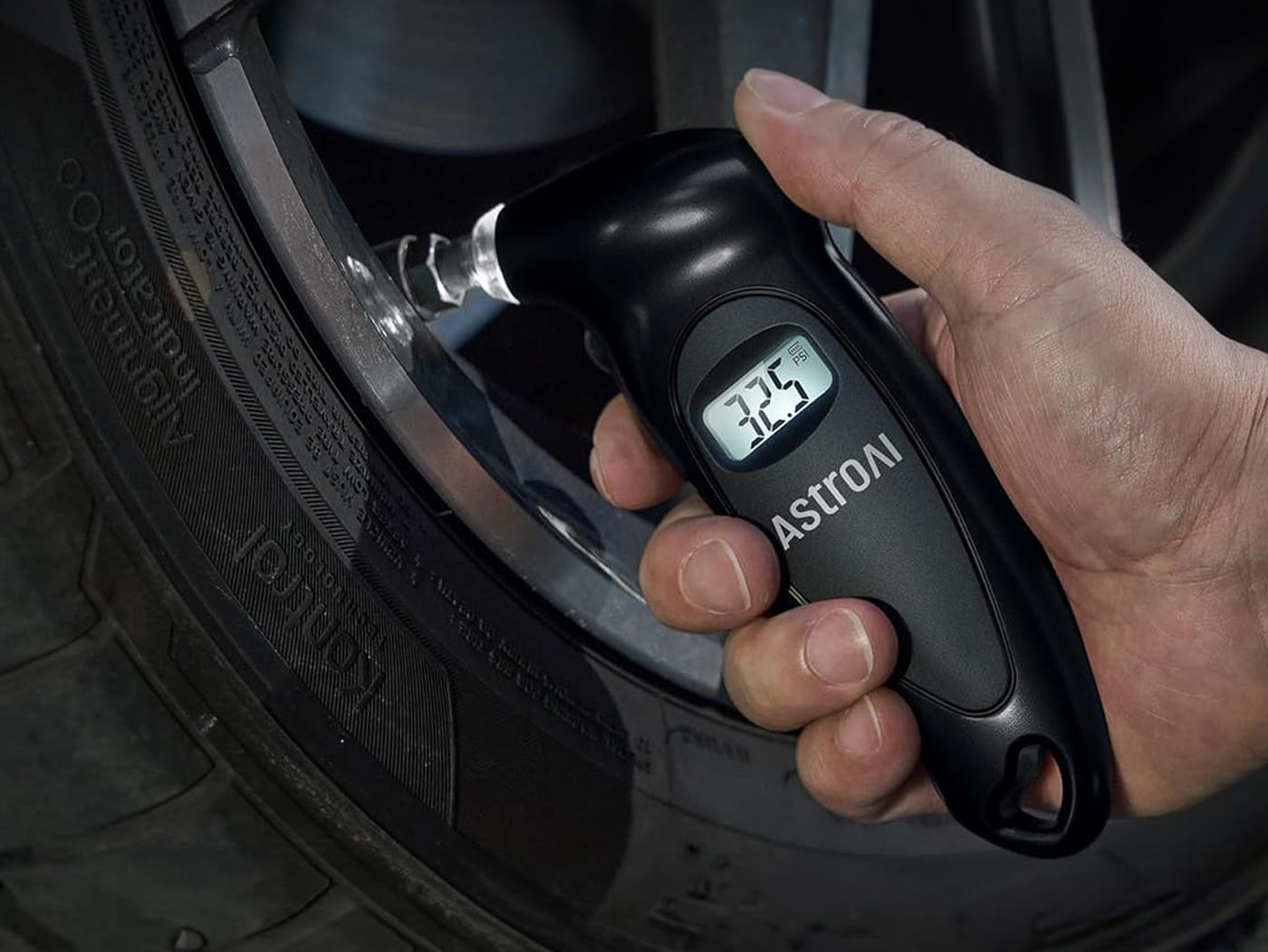
Digital Tire Pressure Gauge
Label
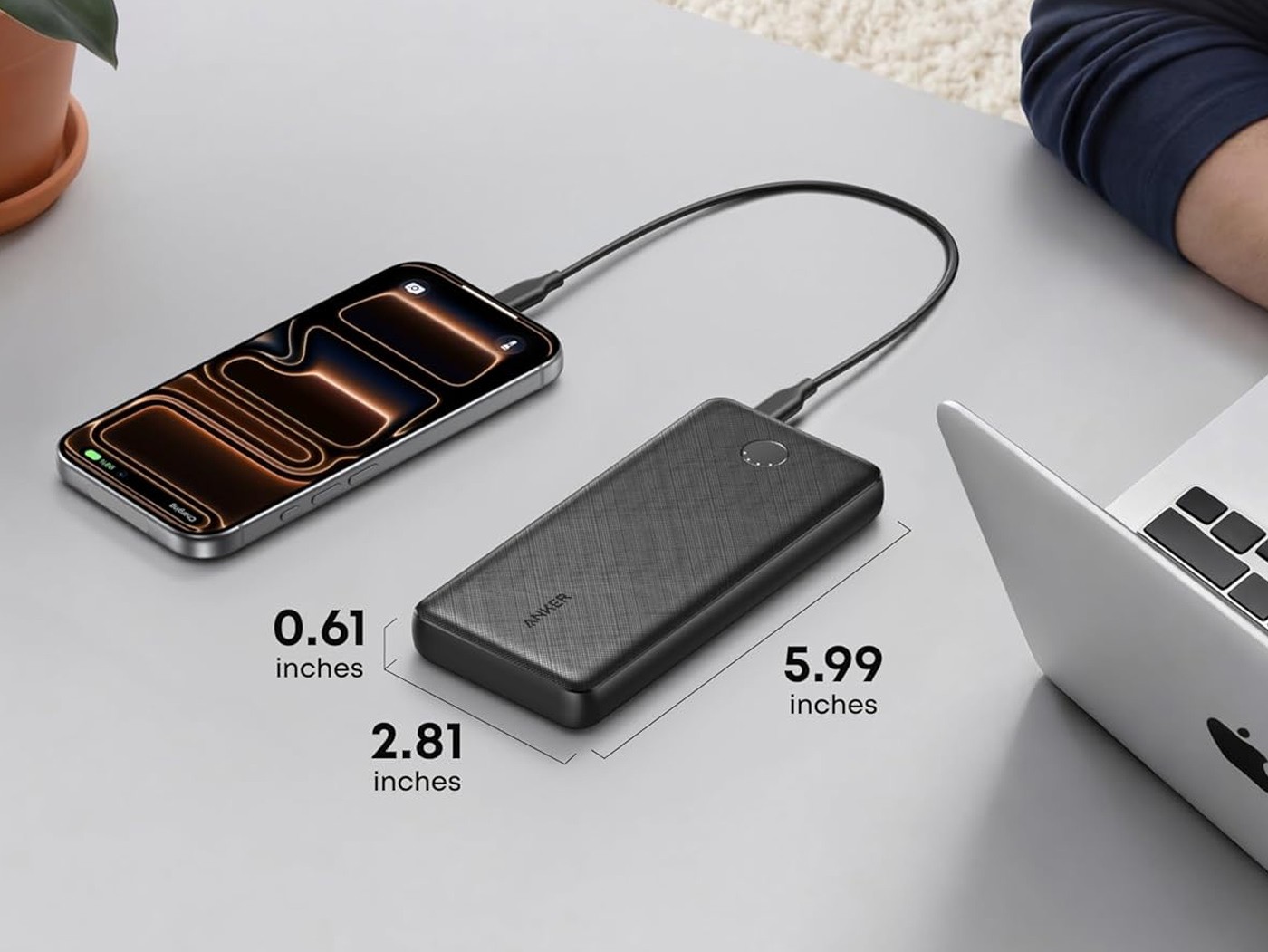
Compact 10,000mAh Power Bank
Label
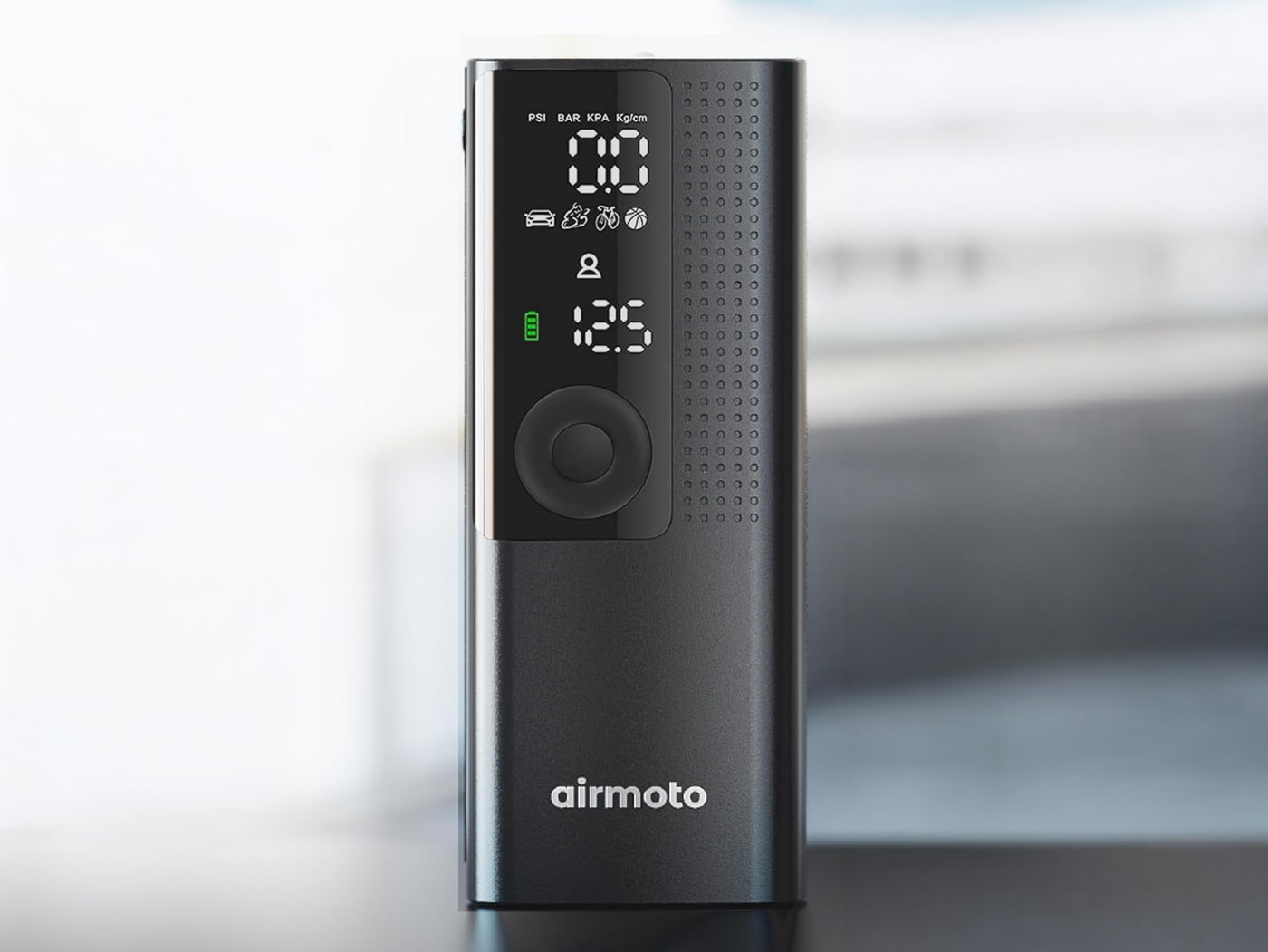
Cordless Tire Inflator
Label
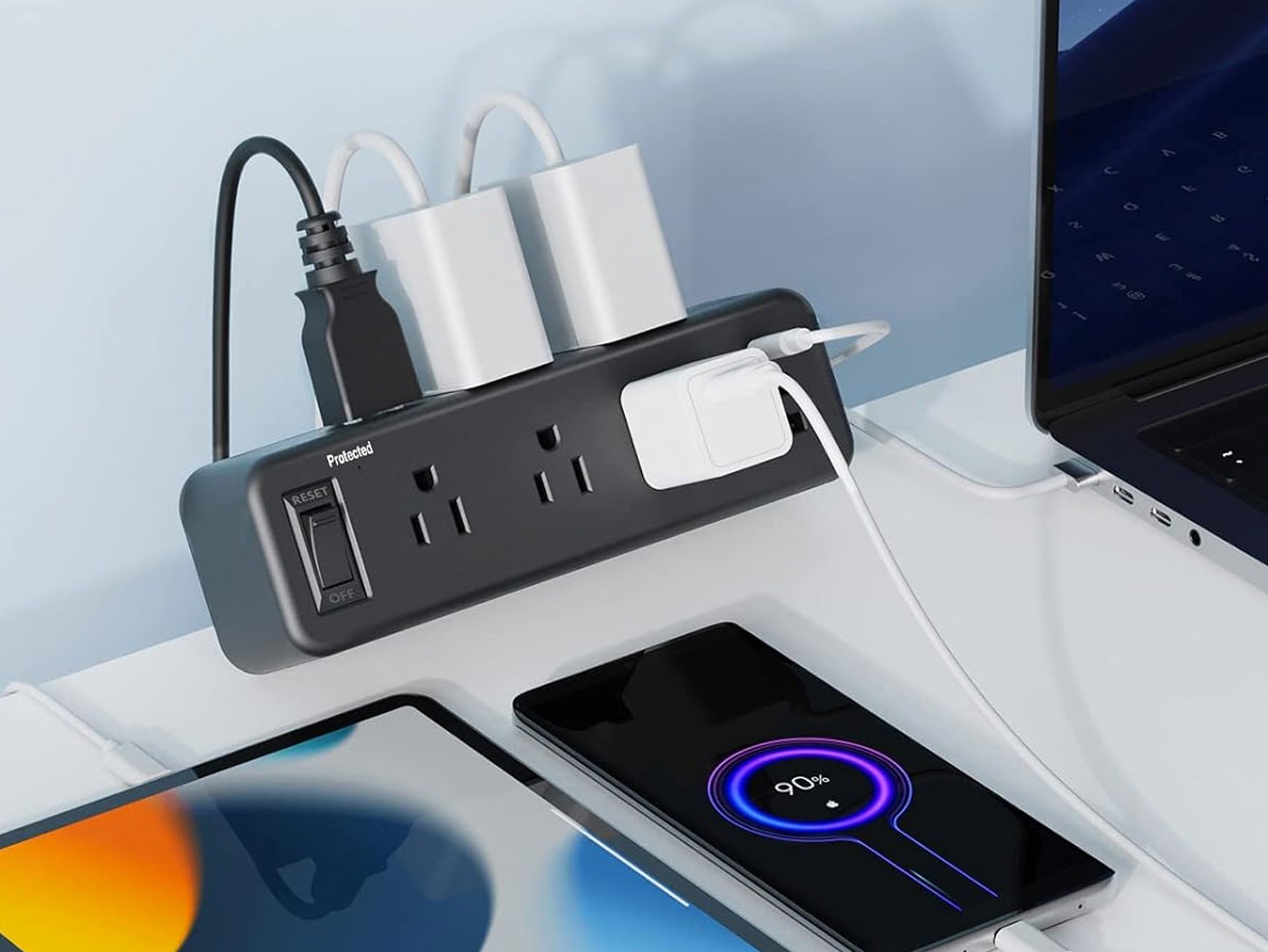
Clamp-On Power Strip