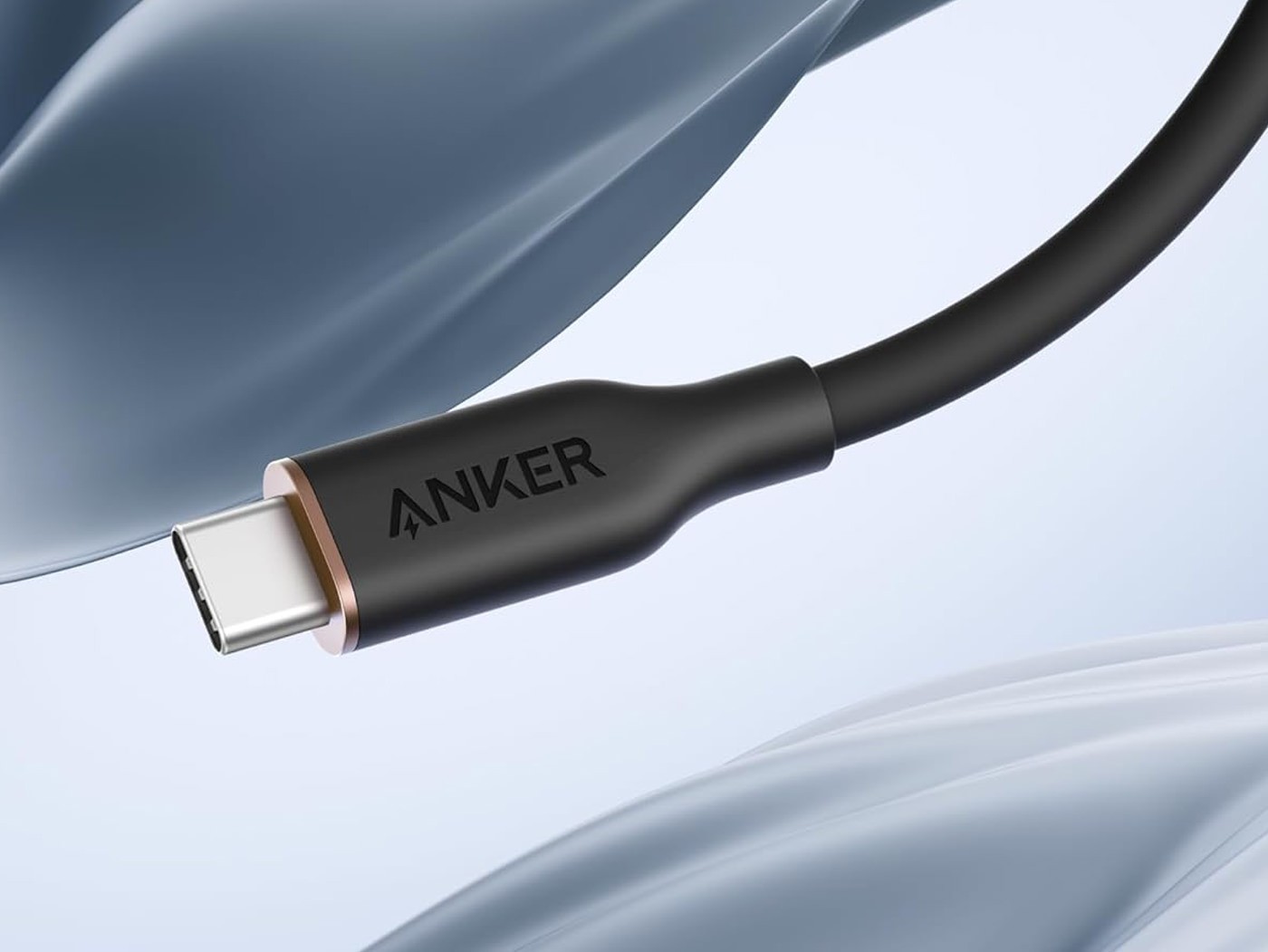
Power Stability Reduces Cognitive Load
When charging infrastructure is inconsistent, attention must remain partially allocated to monitoring battery levels. Devices become unreliable not because they fail, but because their readiness becomes uncertain.
Stable charging locations eliminate this uncertainty.
A cable that remains in place. A battery that remains charged. A device that returns to readiness automatically after use.
Consistency reduces the need for memory.
The environment maintains readiness without intervention.
Permanent Charging Locations Prevent Depletion
Objects that move frequently often lose access to power. Cables migrate between rooms. Chargers remain in bags. Batteries remain uncharged because they were not returned to their source.
Permanent charging locations solve this structurally.
When every essential device has a fixed charging point, readiness becomes routine rather than intentional.
Useful Goods support continuous recovery, not episodic correction.
Useful Goods That Reduce Power Friction
These objects help stabilize energy availability across daily environments.
Daily
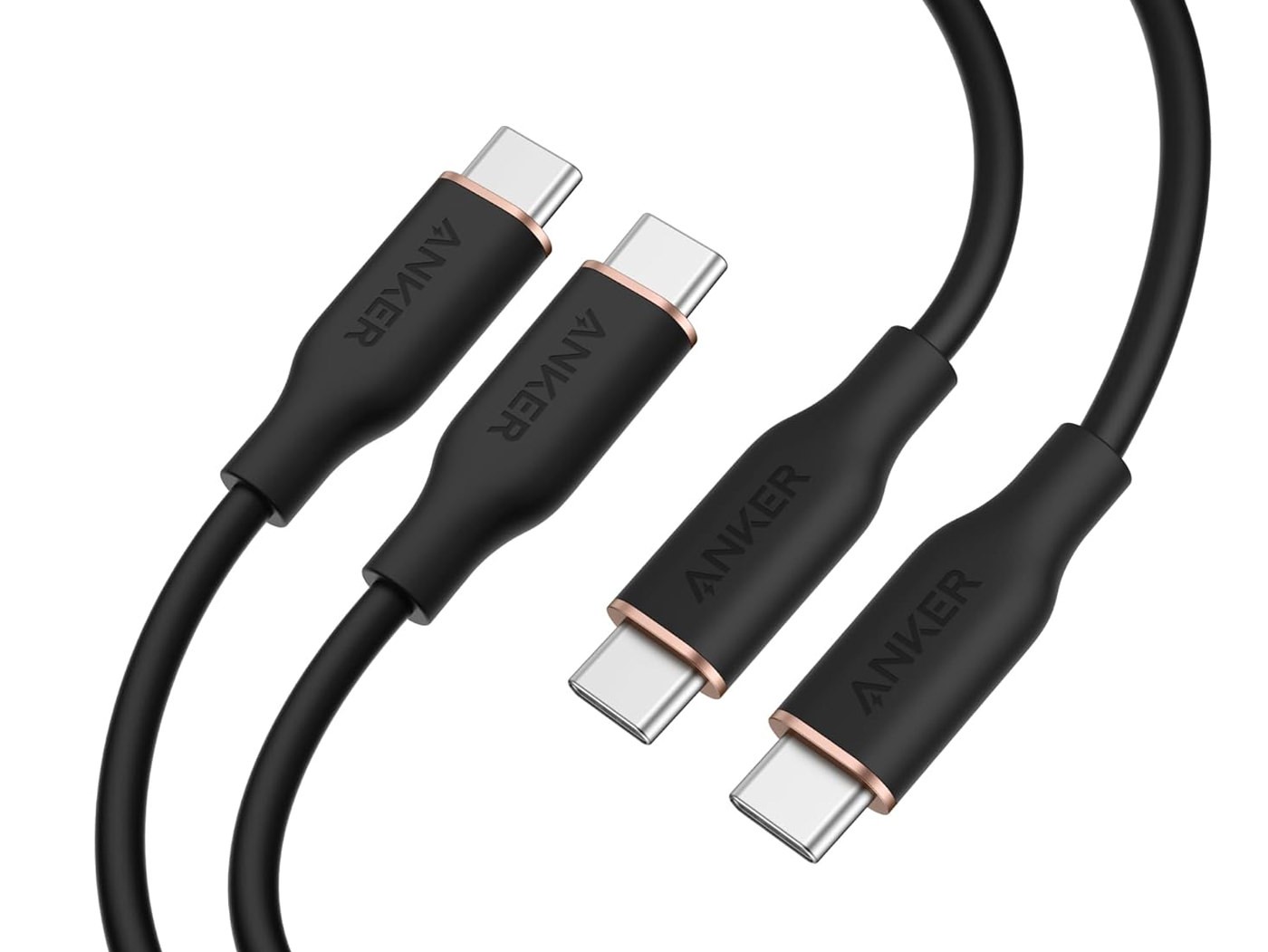
Silicone USB-C Cable
A soft silicone USB-C cable that doesn’t tangle or kink like traditional cords, while supporting fast charging for phones and laptops. Easier to live with, day to day.
Daily
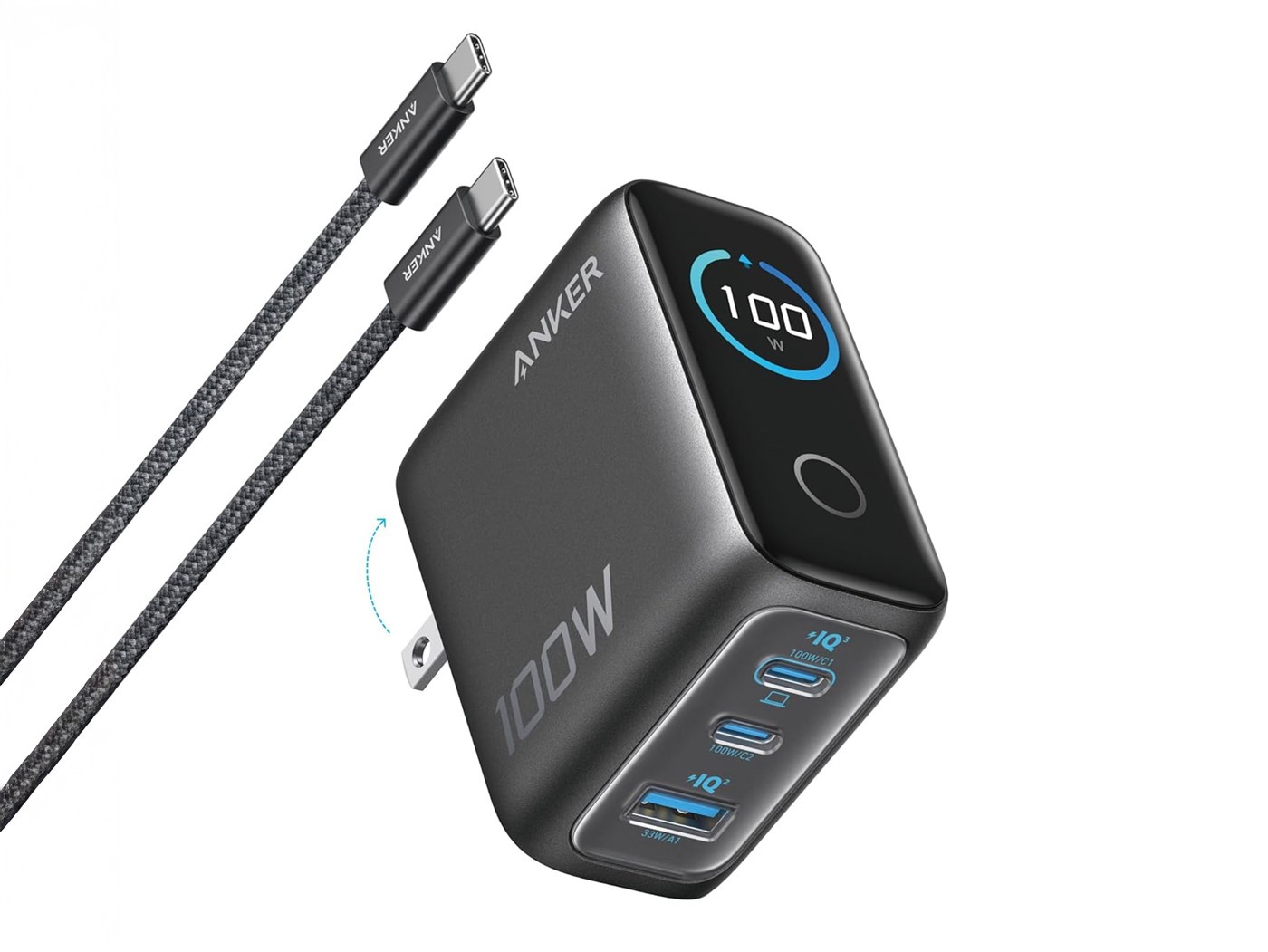
Compact GaN Wall Charger
A compact GaN wall charger that powers laptops and phones at full speed, replacing multiple bulky charging bricks with one efficient outlet-friendly solution.
Home
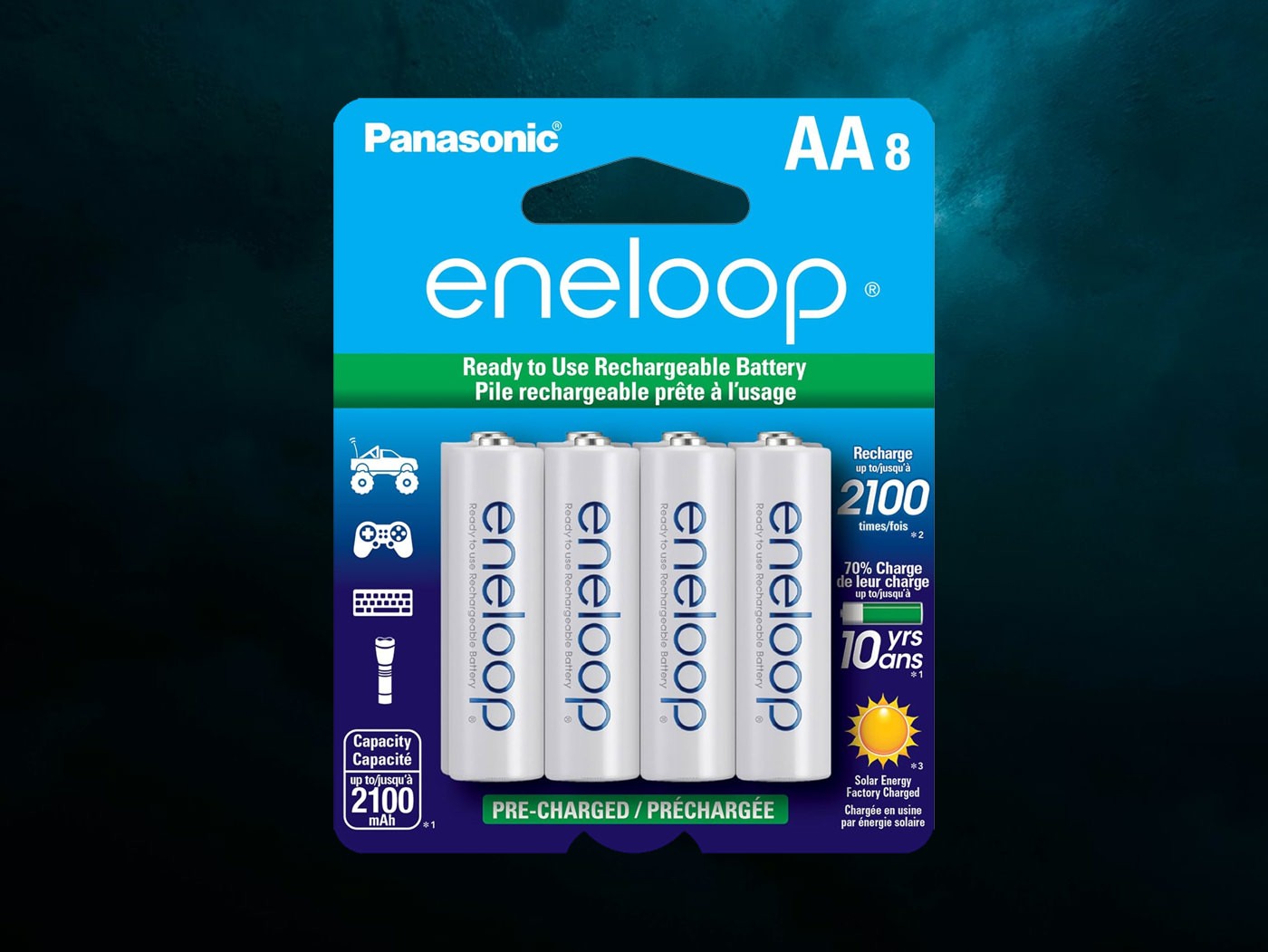
AA Rechargeable Batteries
Rechargeable batteries reduce replacement friction for devices that remain in fixed locations. Their low self‑discharge rate ensures readiness even after long periods of inactivity. They support continuity without constant monitoring.
Utility
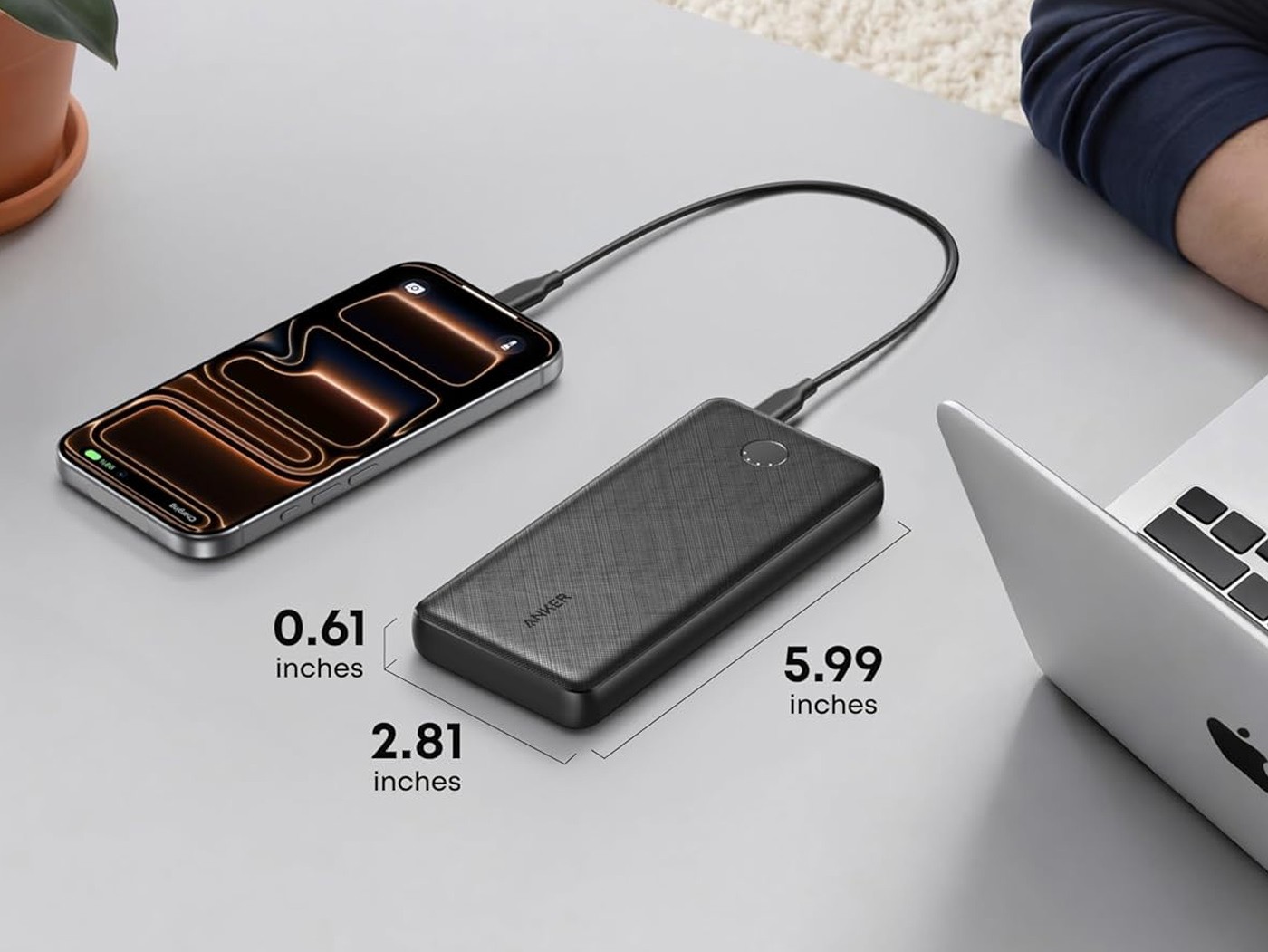
Compact 10,000mAh Power Bank
Portable reserve power protects against environmental uncertainty. It functions as backup infrastructure rather than primary infrastructure. Its usefulness depends on maintaining charge between uses, providing stability when fixed outlets are unavailable.
Infrastructure Is More Reliable Than Memory
Power stability should not depend on attention. It should depend on placement.
This approach aligns with the idea of making maintenance invisible through permanent placement and readiness.
When charging tools remain permanent, accessible, and sufficient, readiness becomes automatic. Devices recover energy without supervision. Interruptions decrease because recovery is continuous.
Useful Goods reduce power friction by ensuring energy is always closer than the problem it solves.
The same logic applies when comparing plug-in and battery tools.