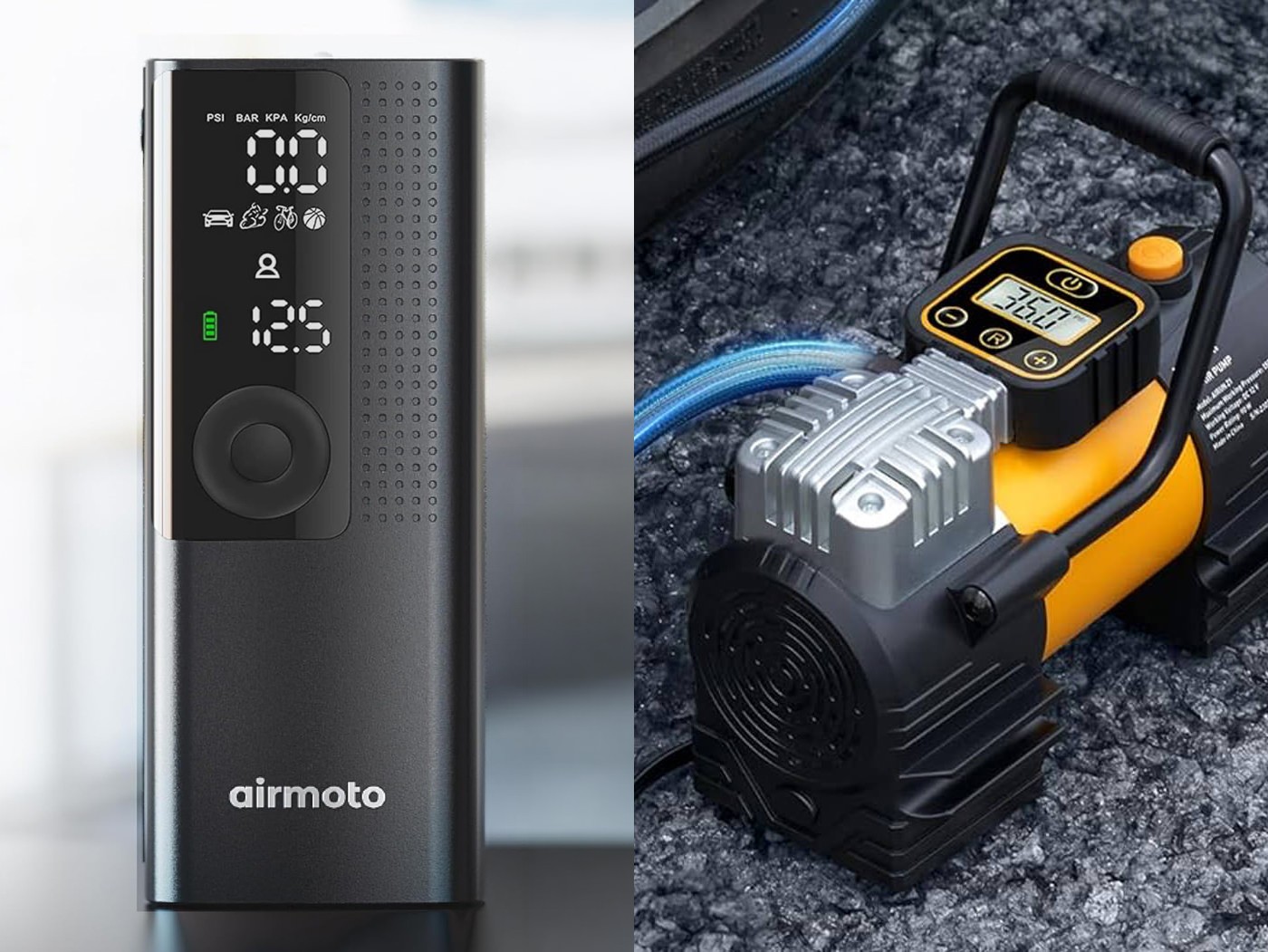
Where the Friction Shows Up
Most drivers do not think about tire inflators until something interrupts the day.
The friction usually looks like this:
Driving out of the way for air
Waiting for a working pump
Searching for coins or a credit card
Discovering the inflator battery is dead
Realizing the tool is not in the car
The real issue is not inflation. It is access and readiness.
A corded 12V model and a cordless battery-powered model both solve the gas station problem. The difference appears in how they introduce new friction points.
Corded models depend on the vehicle. Cordless models depend on battery maintenance.
If Your Inflator Lives in the Car
If the inflator’s permanent home is the trunk, a 12V corded model often makes sense.
A corded inflator draws power directly from the vehicle. There is no internal battery to maintain. No charging cycle to monitor. As long as the car has power, the inflator does as well.
This makes a 12V corded tire inflator that stays in the trunk a stable default for drivers who primarily inflate car tires and prefer permanence over portability.
It becomes infrastructure rather than equipment. It is always available because it never leaves the vehicle.
The tradeoff is location. It works best when inflation happens near the car.
If You Want Flexibility
Cordless inflators remove the vehicle dependency.
They can move between spaces. Garage, driveway, bike rack, sports field. They are useful for bicycles, strollers, and equipment where a car is not nearby.
A cordless battery-powered tire inflator that moves between locations works well when inflation needs extend beyond the vehicle itself.
The tradeoff is battery management. If the battery is not charged, friction returns at the worst moment.
For people who maintain their tools regularly, this may not matter. For those who forget, it becomes the primary failure point.
Utility
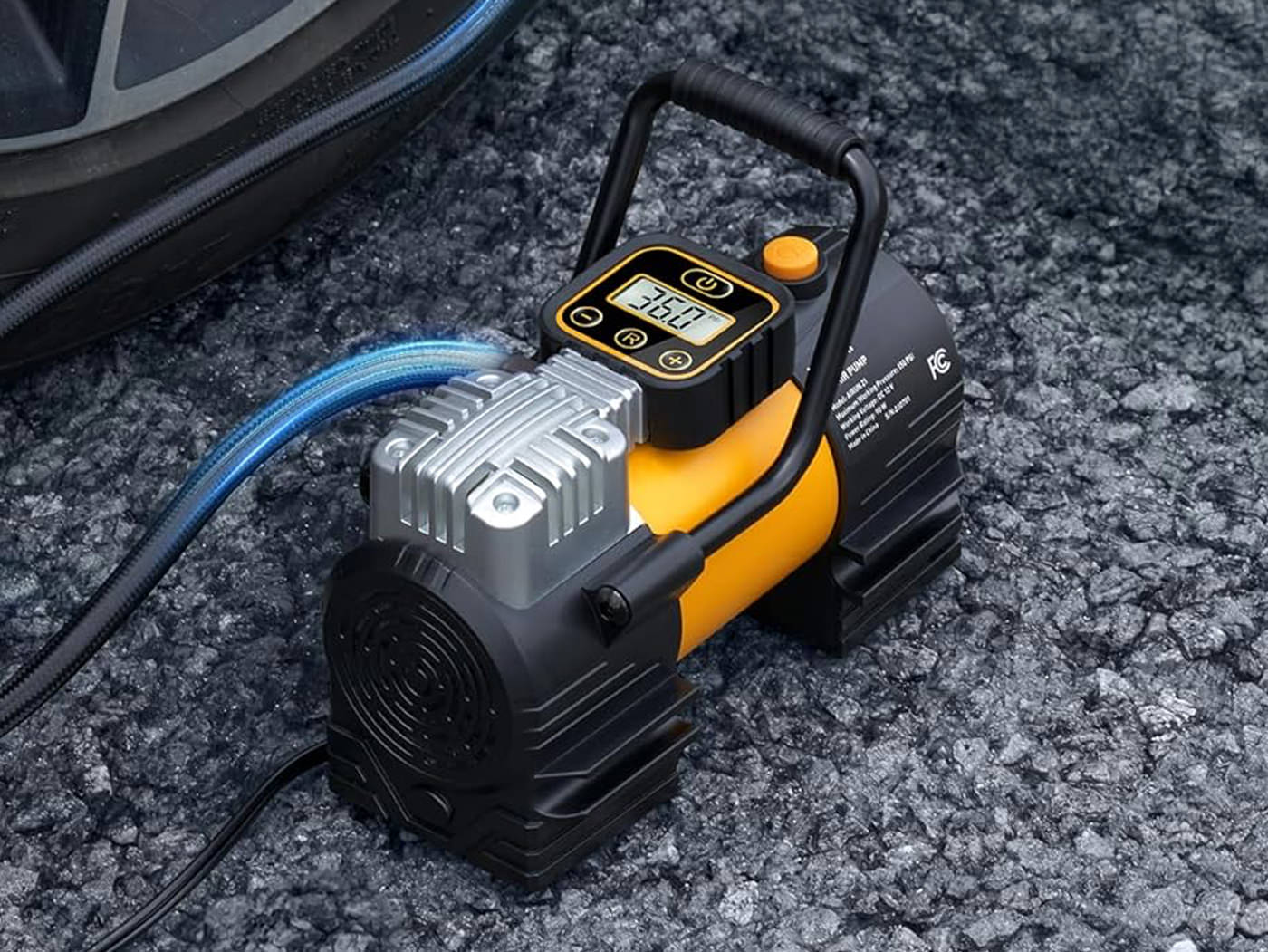
Portable Tire Inflator
A compact 12V tire inflator that lets you set pressure digitally and inflate tires without relying on gas stations.
Utility
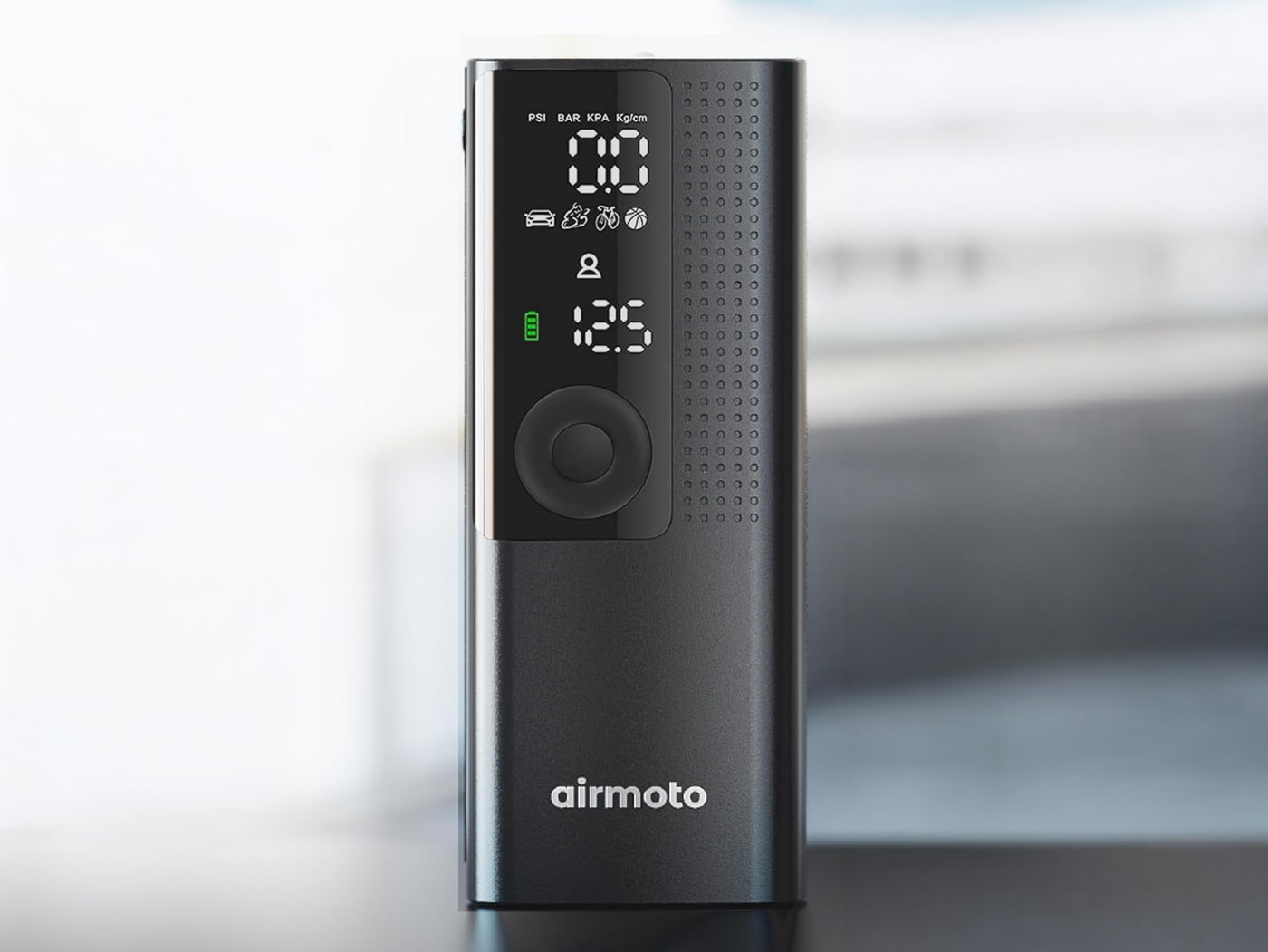
Cordless Tire Inflator
A battery-powered tire inflator with digital pressure control that works without cords or gas stations.
What Actually Matters
The decision is less about pressure output and more about behavior.
Ask:
Does the inflator stay in the car full-time?
Do you prefer tools with no charging cycle?
Will you use it away from the vehicle?
Are you consistent about charging batteries?
If the inflator rarely leaves the trunk and you value long-term reliability, corded may reduce more friction.
If you need flexibility across locations and maintain your gear well, cordless may be more practical.
Neither is superior in isolation. Each reduces a different type of dependency.
The Useful Goods Standard
Both models eliminate gas station reliance. Both allow tire pressure corrections at the moment friction appears.
The useful question is not which performs better. It is which removes the most friction in your environment.
If permanence removes friction, choose corded.
If portability removes friction, choose cordless.
Stability matters more than specification.