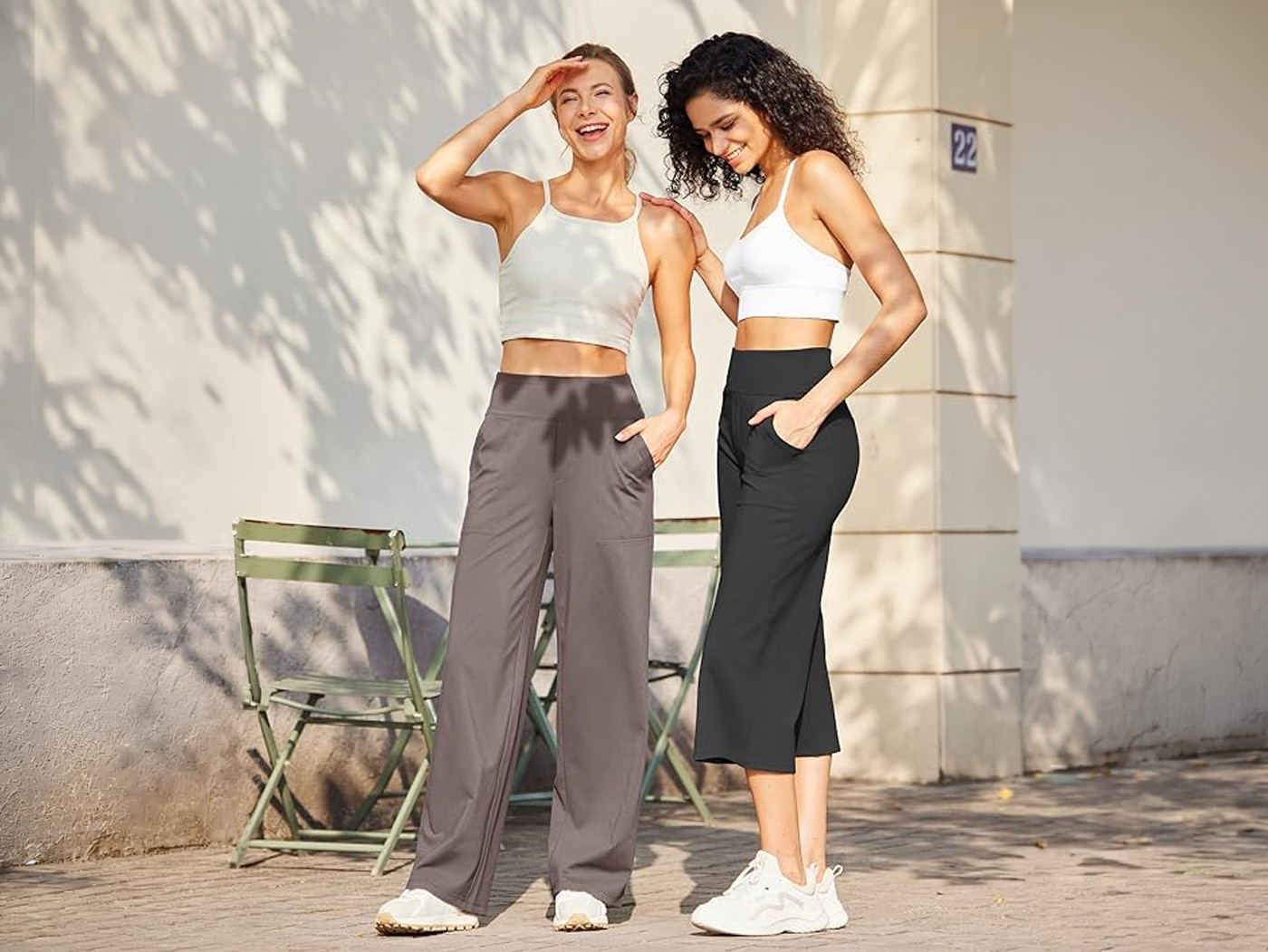
The Problem With Traditional Office Pants
Traditional office pants are built around formality first.
They often include:
Rigid waistbands
Limited stretch
Structured seams
Fabric that prioritizes appearance over movement
This construction holds shape well, but it does not adapt well. Sitting, bending, commuting, or transitioning between tasks introduces tension points. Over a full day, those tension points accumulate into distraction.
The friction is physical before it is visual.
What Workwear Yoga Pants Change
Workwear yoga pants adjust the order of priorities.
They maintain:
A tailored silhouette
Neutral color profiles
Structured seams
While incorporating:
Stretch fabric
Flexible waistbands
Smoother interior construction
The goal is not to look casual. It is to maintain structure without resisting movement.
This reduces micro-adjustments throughout the day.
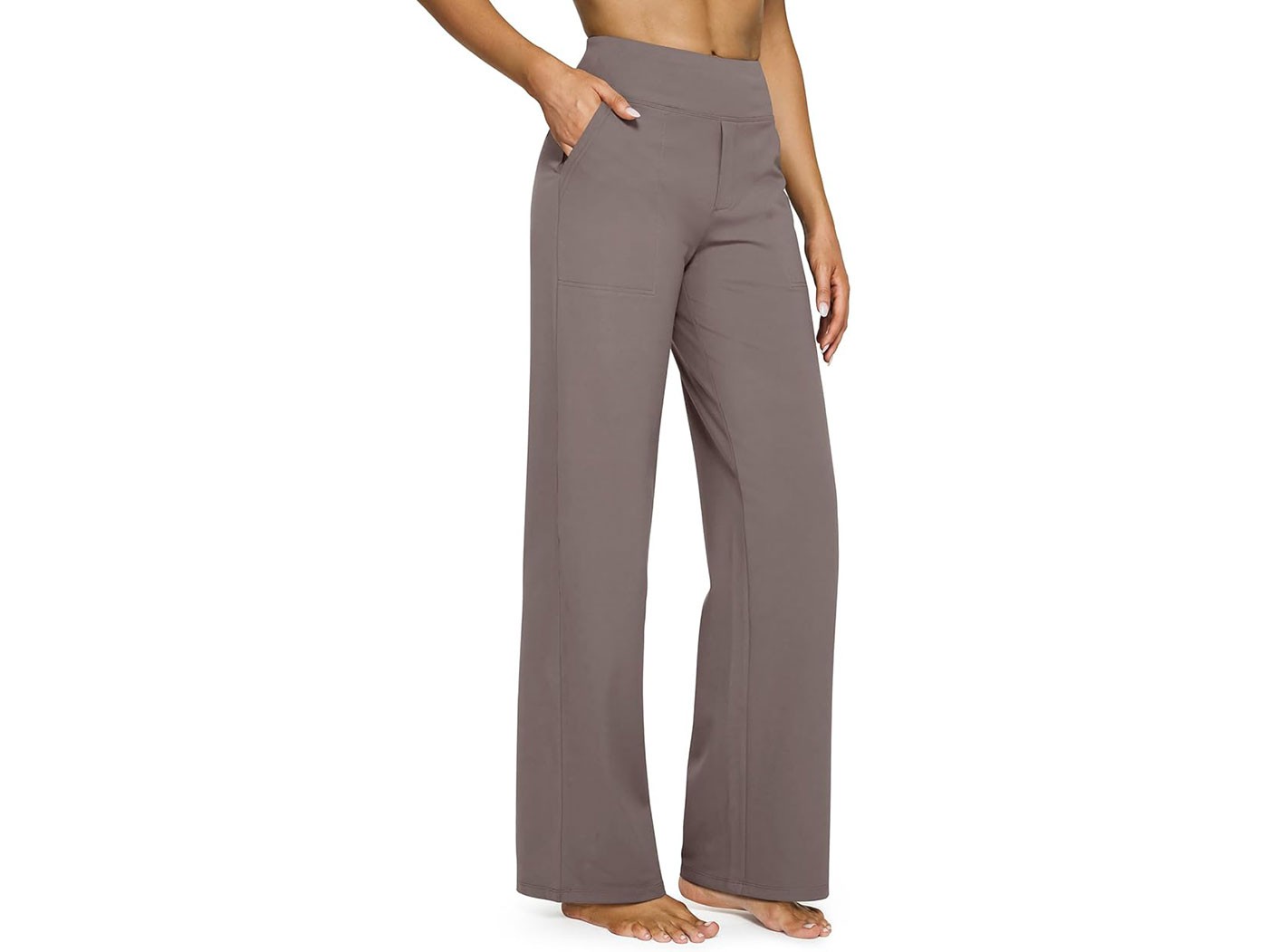
Daily
Workwear Yoga Pants
Workwear yoga pants can replace traditional office pants by improving comfort and supporting transitions between work and daily life.
Comfort as a Functional Variable
Comfort is often treated as a luxury. In practice, it is operational.
When clothing restricts movement, people unconsciously:
Shift posture
Adjust waistbands
Stand or sit differently
End tasks sooner
These are small corrections, but they interrupt focus.
Workwear yoga pants reduce these corrections by allowing fabric to move with the body rather than against it.
The benefit compounds during long work sessions.
The Transition Problem
Modern work rarely exists in one location.
A day may include:
Desk work
Meetings
Travel
Errands
Home tasks
Traditional office pants often require a clothing change when transitioning between these environments. Athletic wear often requires the opposite change.
Workwear yoga pants reduce this switching cost. One garment functions across contexts without adjustment.
Fewer transitions mean fewer decisions.
Fabric Behavior Over Time
Durability in workwear yoga pants depends on material resilience.
Important characteristics include:
Recovery after stretch
Resistance to pilling
Shape retention after washing
Color stability
When these factors are managed well, the garment maintains a professional profile without constant replacement.
The goal is predictability.
When Traditional Pants Still Make Sense
There are contexts where structure outweighs flexibility.
Formal settings, strict dress codes, and environments requiring heavy-duty materials may favor traditional construction.
The decision is contextual, not universal.
The Useful Goods lens asks a different question:
Where does friction repeat?
If daily tasks involve extended sitting, commuting, movement, or mixed environments, flexibility reduces recurring tension.
The Useful Goods Standard
Workwear yoga pants earn their place when they meet three conditions:
They maintain a professional silhouette.
They eliminate physical discomfort during long wear.
They reduce the need for clothing transitions.
When these criteria are met, they stop being a compromise between comfort and presentation. They become a stable default.
Stability is the objective.