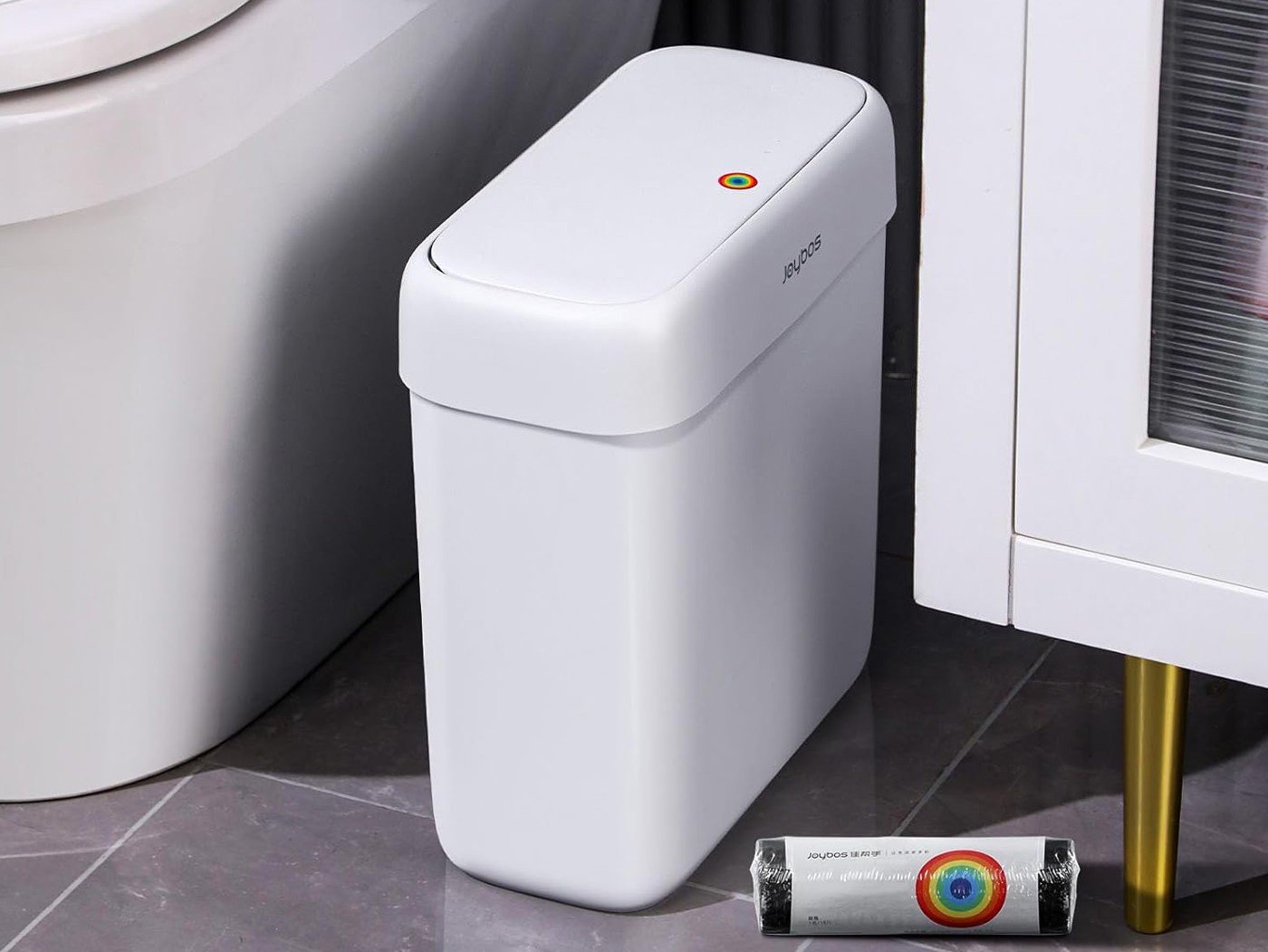
Where the Problem Actually Starts
Dogs are not creating a new problem. They are responding to an open system. A typical trash can is easy to access, lightly covered, and positioned at ground level. Smell travels, lids lift easily, and nothing actively prevents interaction. From a dog’s perspective, it is a container designed to be explored.
A standard trash can allows:
unrestricted access
low resistance lids
strong scent exposure
Once a dog succeeds once, the behavior tends to repeat. Food scraps and strong scents reinforce the action, and repetition turns curiosity into habit. The issue is not training alone. It is environmental design. When access remains available, the behavior has no reason to stop.
What “Dog-Proof” Really Means
A dog-proof trash can does not rely on awareness or timing. It changes the mechanics of access. Lids require more force, openings are restricted, and containers are harder to tip. The interaction becomes difficult enough that it stops being worth the effort.
Most designs introduce:
locking lids
step pedals with resistance
weighted bases that prevent tipping
tighter seals that reduce scent exposure
Each of these adds a small layer of friction at the point where the behavior begins.
Home
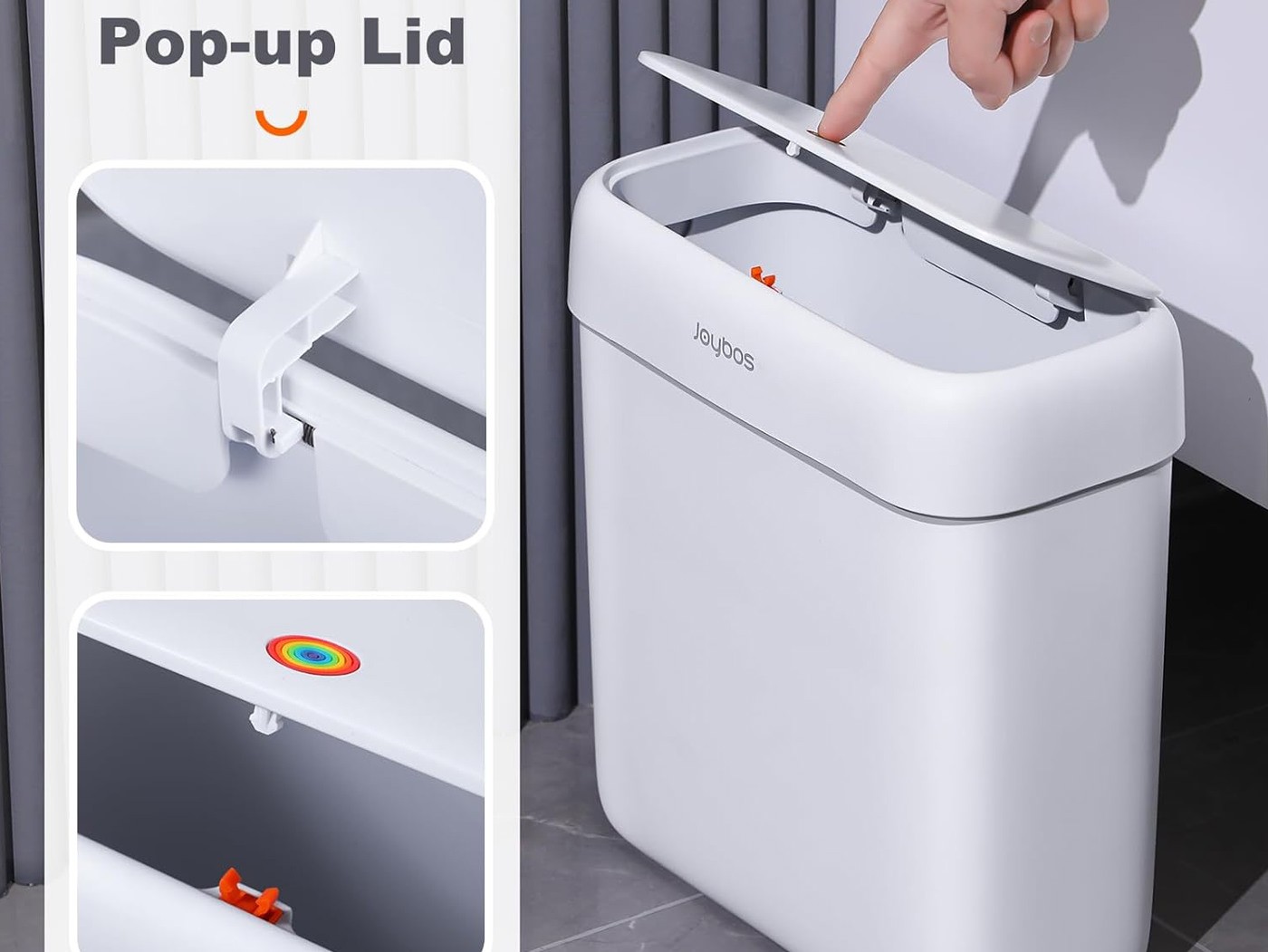
Dogproof Bathroom Trash Can
A compact trash can with a locking or resistant lid that prevents easy access while maintaining normal use for people. Designed to stay in place, it removes repeated cleanup and keeps small spaces stable.
Why Resistance Works Better Than Correction
Correcting behavior requires consistency. The environment does not. A secured trash can removes the need to monitor, react, or clean up after the fact. The interaction simply does not occur, which is a more reliable outcome than repeated correction.
This shifts the system from:
repeated interruption
to…
stable default
That difference compounds over time.
Where It Matters Most
Dog access is most common in smaller, lower-visibility spaces. Bathrooms, laundry rooms, and secondary trash areas tend to be used frequently but observed less often. These are the environments where small design changes have the biggest impact.
Bathrooms and kitchens create the highest frequency because:
trash is within reach
lids are lightweight
items are replaced often
A dog-proof trash can is most effective when placed directly in these environments, not relocated or hidden.
Placement is part of the solution.
Practical Questions
Do dog-proof trash cans make daily use harder?
Most designs balance resistance with usability. Foot pedals or latch mechanisms add a small step, but they quickly become routine.
Is training enough without changing the trash can?
Training can help, but it relies on consistency. A resistant container removes the opportunity entirely, reducing the need for correction.
Where should it be placed?
In the same location as a normal trash can. Moving it out of reach often creates new friction, while a secure container solves the problem in place.
Closing Insight
The most effective tools do not fight behavior. They remove the conditions that allow it.