The Cost of Small Delays
Hesitation often sounds like:
“I’ll do it later.”
“I need to find the right tool.”
“This might take longer than I think.”
The task itself may only require minutes. The barrier is friction before the task begins.
Objects that remove hesitation share three traits:
They are easy to access.
They behave consistently.
They require little setup.
When those conditions are met, the start becomes automatic.
Home
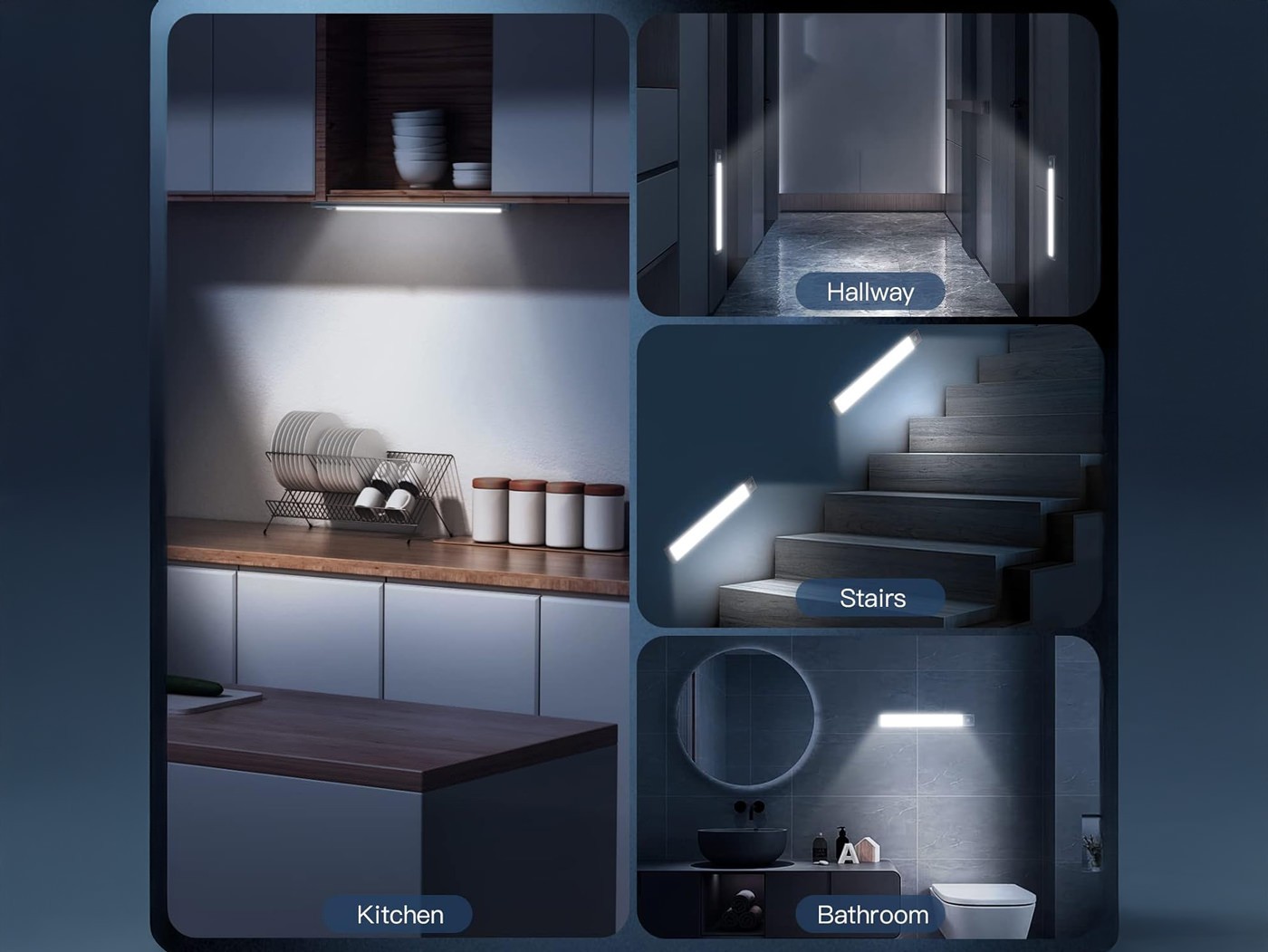
Motion Sensor Cabinet Lights
This light activates without switches or planning. Installed once, it responds automatically in closets, cabinets, or hallways. The absence of manual control removes the small pause that often prevents adding light where it is needed.
Utility
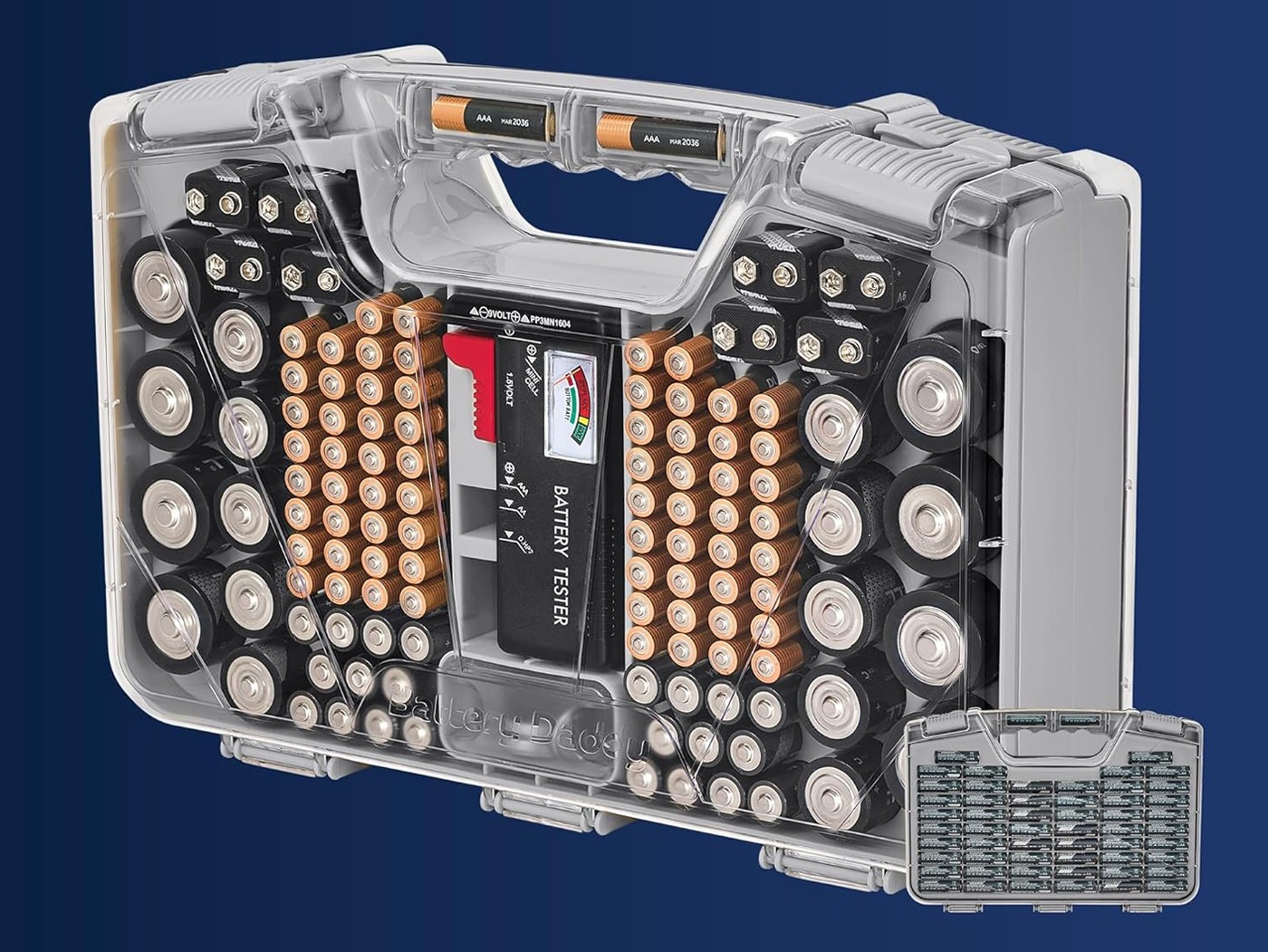
Battery Organizer with Tester
Instead of searching drawers or guessing battery life, this organizer makes availability visible. The integrated tester confirms charge immediately. The result is not efficiency for its own sake, but confidence before beginning.
Daily
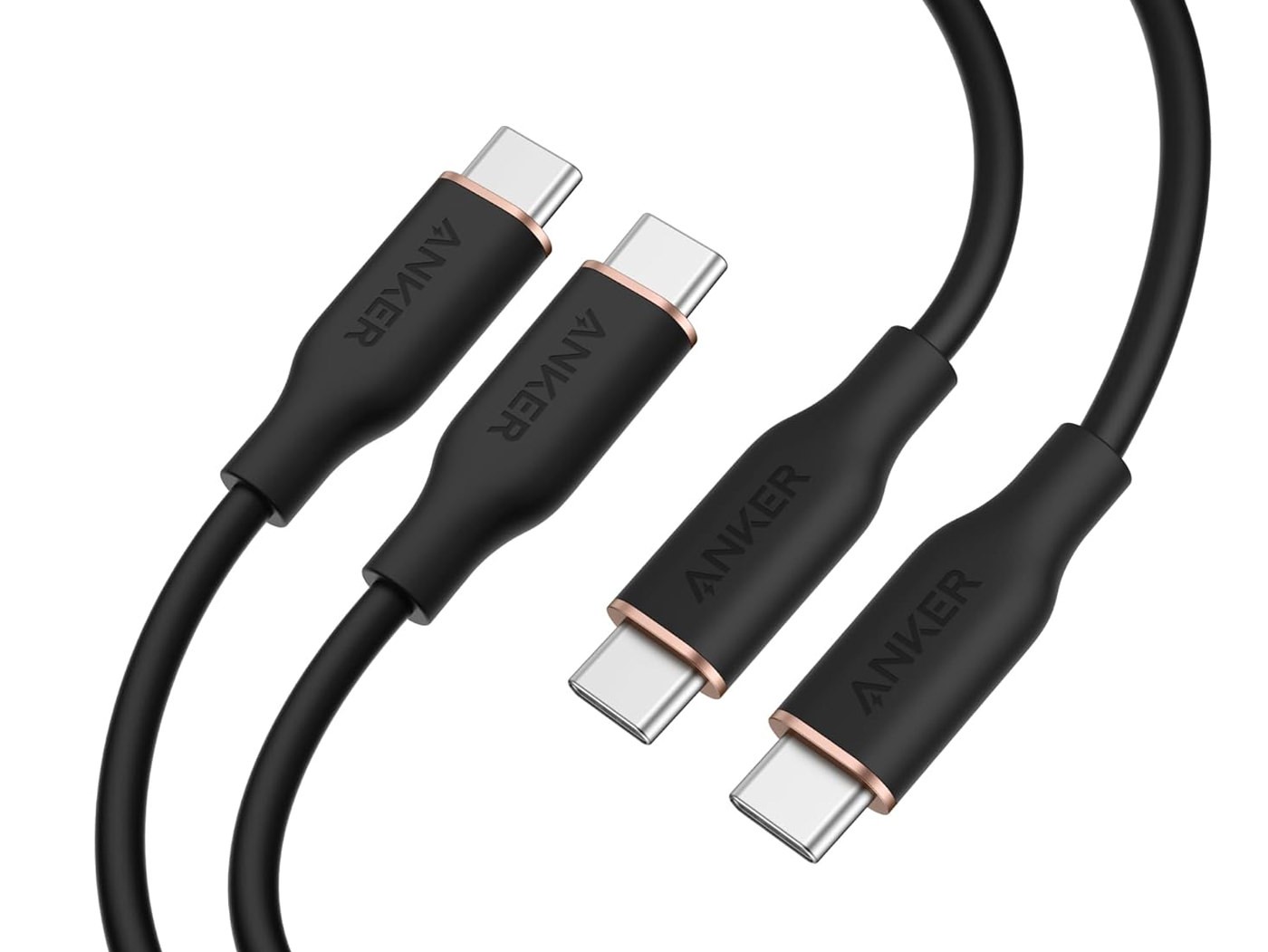
Silicone USB-C Cable
A flexible silicone cable coils naturally and resists tangling. It works the same on a desk, in a bag, or by a bed. Charging becomes predictable, eliminating the small friction of repositioning or untangling before use.

Daily
Workwear Yoga Pants
Clothing that moves between work and casual settings reduces preparation time. When a single garment covers multiple contexts comfortably, changing outfits is no longer a prerequisite for action.
Why Predictability Drives Action
Hesitation often stems from uncertainty, not laziness. When tools are inconsistent, every task begins with evaluation.
Predictable objects eliminate that evaluation phase. You know where they are. You know how they behave. You know they will function.
This shortens the psychological distance between intention and execution.
Designing for Immediate Start
To reduce hesitation, consider:
Is the tool visible or easily reachable?
Does it require adjustment before working?
Has it failed often enough to create doubt?
Does it introduce extra steps that could be removed?
Small design improvements — automatic activation, better storage, flexible materials — can remove entire layers of friction.
Useful Goods prioritizes objects that shorten the gap between deciding and doing. When starting feels effortless, follow-through becomes more likely.
Why This Matters
Progress is often determined by how easily tasks begin. Tools that reduce hesitation increase the number of times action actually starts.
Over days and months, fewer delays mean more completed tasks and fewer lingering intentions.
The goal is not productivity intensity. It is smoother momentum.
Objects that quietly support immediate action help create that steadiness.