Readiness Is a Condition, Not a Feature
Readiness is not something you activate. It is something you preserve. The objects that support it tend to disappear into their environments and habits, doing their work quietly and repeatedly. They don’t change behavior through motivation or reminders. They change behavior by removing moments where a decision, a workaround, or a delay would otherwise be required.
Consider the difference between owning a flashlight and knowing light will appear when you open a cabinet at night. The former is a possession. The latter is a condition that reshapes how you move through a space. Motion-activated cabinet lights operate in this second mode. Over time, they eliminate the pause where you decide whether the task is worth doing in low light. The improvement compounds because the decision point never reappears.
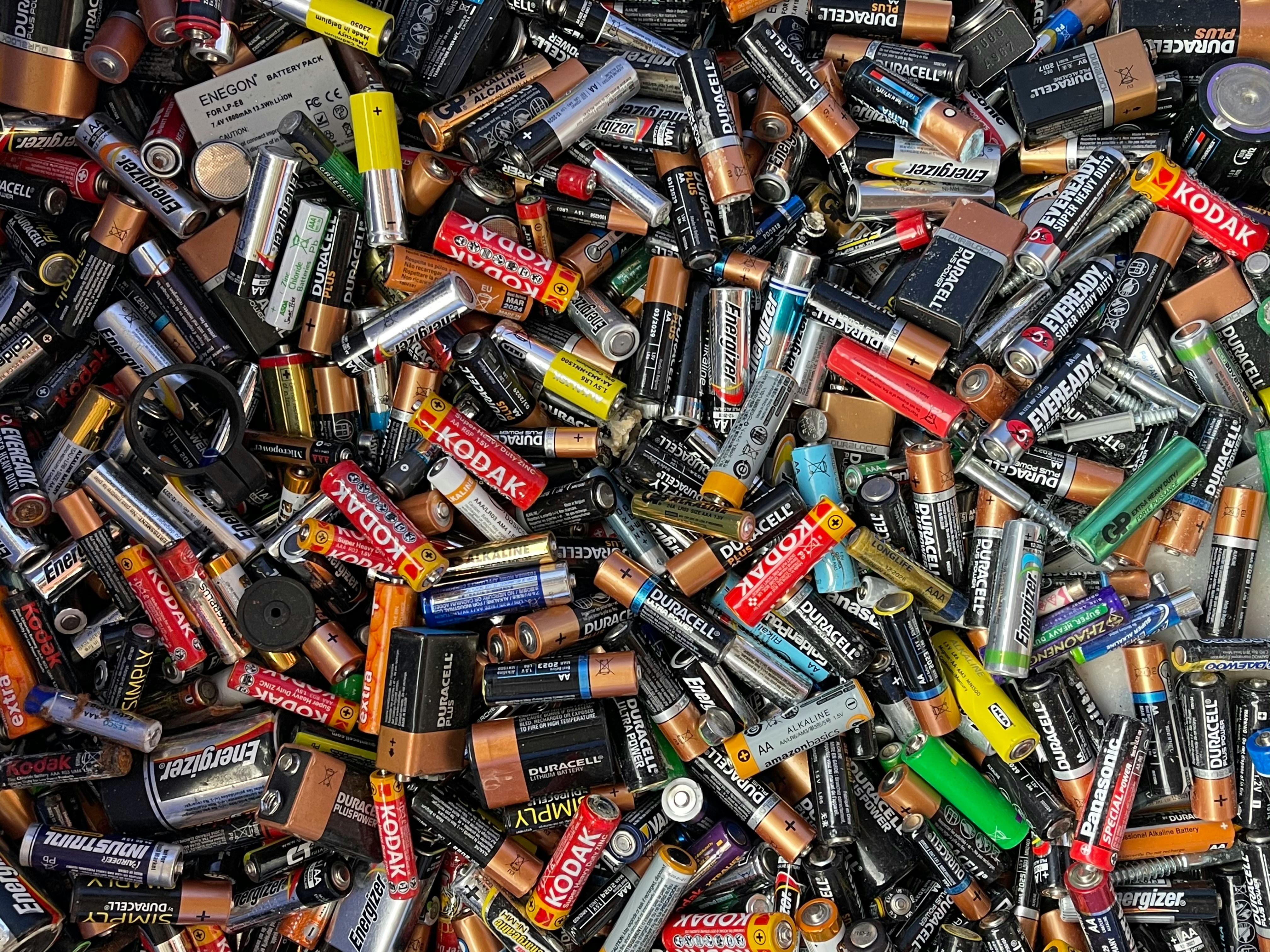
The same principle applies to battery storage. A battery organizer with a built-in tester does not merely tidy a drawer. It changes the mental model of batteries from “maybe usable” to “known state.” When the uncertainty is removed, replacement happens earlier, storage becomes intentional, and devices fail less often. The object is doing cognitive work on your behalf by enforcing clarity.
Readiness is also spatial. A cord management box doesn’t solve electricity. It establishes a stable boundary between power and living space. Once cords are constrained and heat-safe, they stop migrating, snagging, or visually resurfacing as problems to be dealt with later. The space becomes predictable again.
None of these objects are impressive on first encounter. Their value emerges only after the absence of friction becomes normal.
The Long Tail of Quiet Reliability
Familiarity Reduces Decision Load
Over time, repeated exposure to small uncertainties creates a background tax on attention. You stop noticing it, but your behavior adapts around it. You open drawers more cautiously. You keep spare batteries in multiple places. You delay plugging things in because the outlet area is cluttered.
Objects that maintain readiness flatten this tax. They do not introduce new behaviors; they stabilize existing ones. Motion-activated lights don’t require remembering switches. Battery organizers don’t require tracking usage. Cord boxes don’t require daily adjustment. Familiarity forms because nothing changes day to day.
This consistency matters. When tools behave the same way every time, the brain stops allocating energy to monitoring them. The result is not excitement, but ease.
Maintenance That Happens Once
There is a difference between maintenance that repeats and maintenance that concludes. The most useful objects front-load effort so that ongoing interaction becomes minimal.
A battery organizer with fixed slots and testing built in requires one moment of sorting. After that, replenishment is obvious and occasional. A cord management box requires one setup, after which the system holds. Cabinet lights require charging on a predictable cycle rather than troubleshooting bulbs or switches.
These objects respect time by asking for it infrequently and predictably.
When Objects Set Behavioral Defaults
Defaults shape behavior more than instructions ever do. When lighting appears automatically, you stop avoiding dark spaces. When batteries are visibly sorted and tested, you stop hoarding half-used ones. When cords are contained, you stop rearranging furniture to hide them.
These changes are subtle, but they persist because they are not enforced through discipline. They are enforced through environment.
This is where quiet reliability differs from optimization. Optimization often increases awareness and involvement. Quiet reliability reduces both.
The Absence You Eventually Forget
The final measure of readiness is forgetting it exists. Months later, you do not think about where the batteries are. You do not notice when the light turns on. You do not see the cords at all.
At that point, the object has done its job. It has removed itself from consideration without removing its function. What remains is a space and a routine that feel slightly easier to inhabit, without any single moment you can point to as the reason.
That is the kind of usefulness that holds up over time.