What Makes Something Useful
Useful Goods is not interested in finding the best version of everything. It pays attention to how objects behave over time. Products that matter tend to remove a decision, replace a workaround, or simplify a routine you did not realize you were compensating for. They often look unremarkable at first. Their value becomes clear through use, not explanation.
The most useful objects tend to fall into one of four systems. Daily objects disappear into habit. Home objects reduce background chaos. Work objects protect focus. Utility objects keep everything else working. The categories describe where friction is removed, not what the product is.
Daily
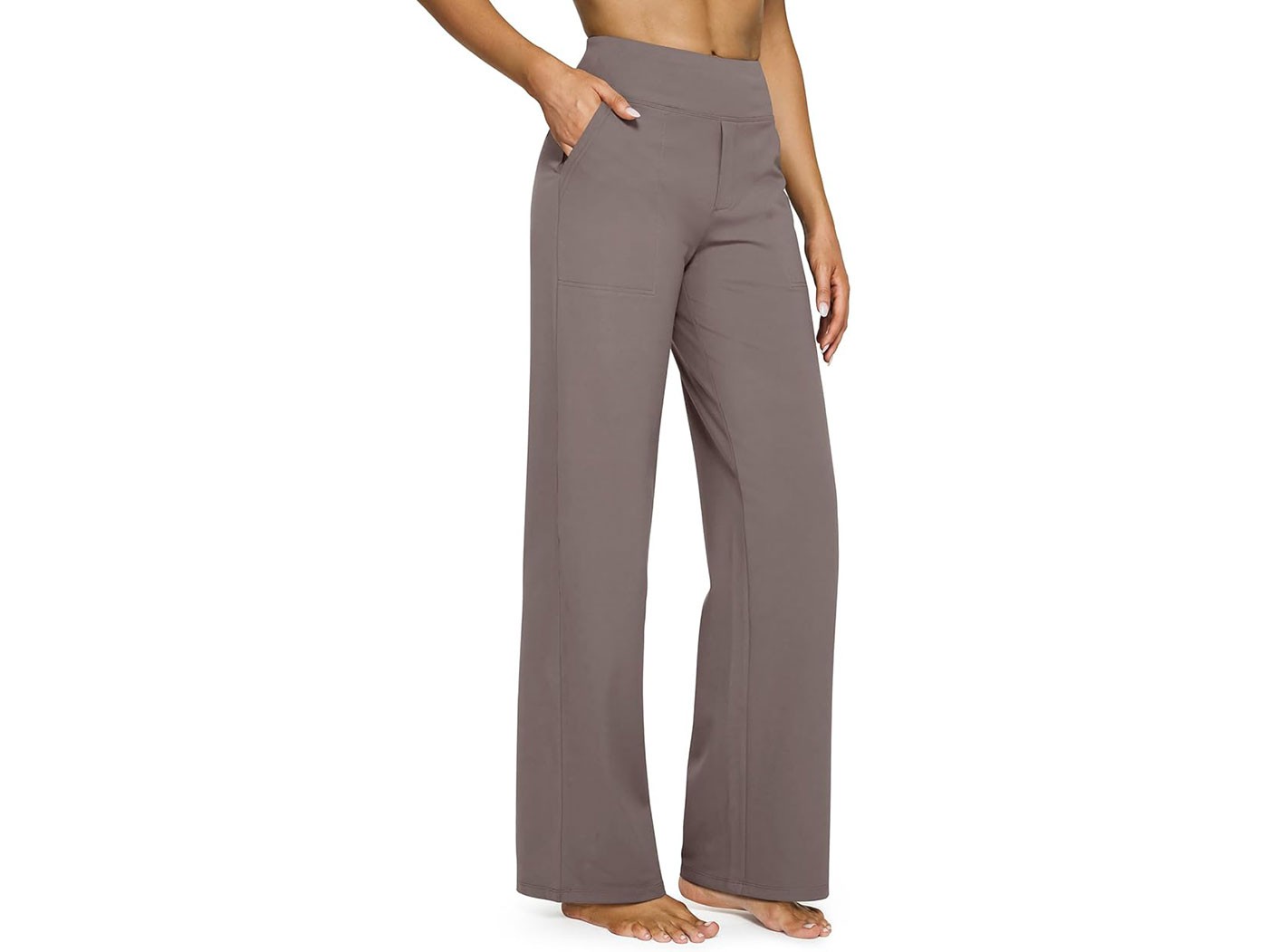
Workwear Yoga Pants
Clothing becomes friction when it only works in one context. These pants remove that friction by feeling like yoga pants while presenting cleanly enough for work or errands. The value is not performance or style. It is the absence of outfit decisions throughout the day.
Daily
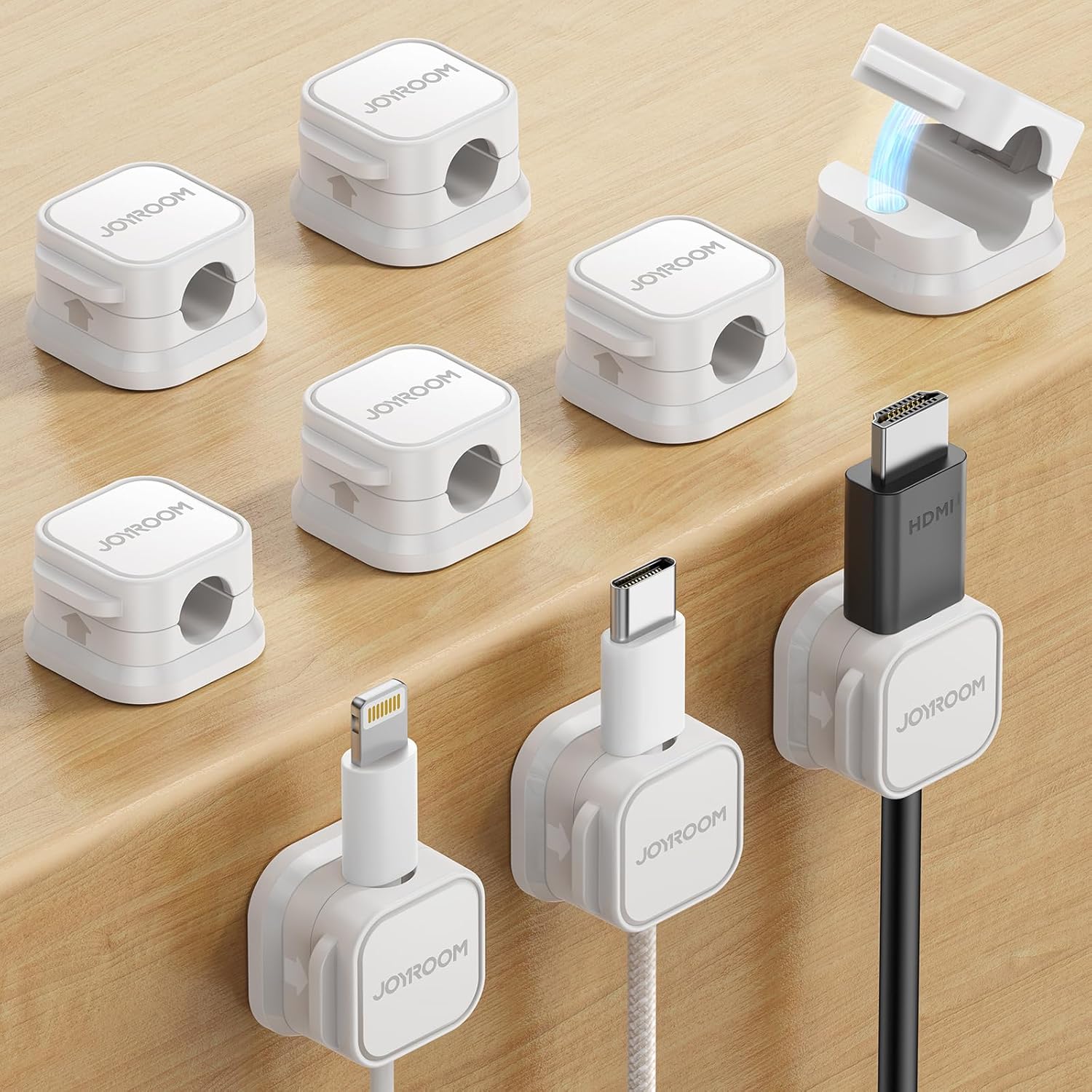
Magnetic Cable Clips
Loose cables create small but constant disorder. Magnetic cable clips fix cords exactly where you expect them to be, eliminating the repeated act of reaching, searching, and resetting. Once in place, they disappear into habit, which is the point.
Home
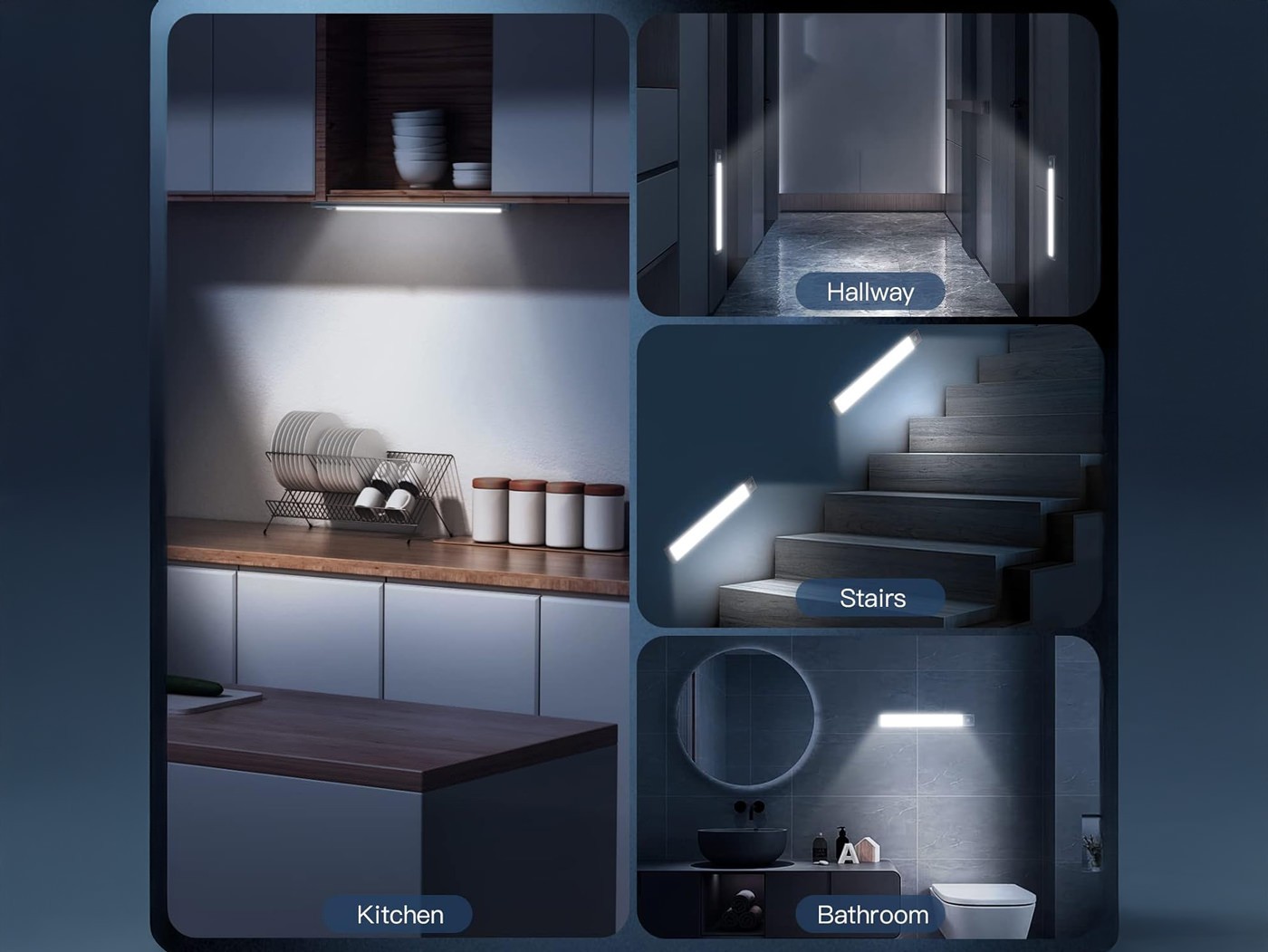
Motion Sensor Cabinet Lights
Dark cabinets and closets create friction that usually goes unfixed. Motion sensor lights remove it entirely. They install without wiring, turn on automatically, and make forgotten spaces usable without thought. The improvement is immediate and persistent.
Utility
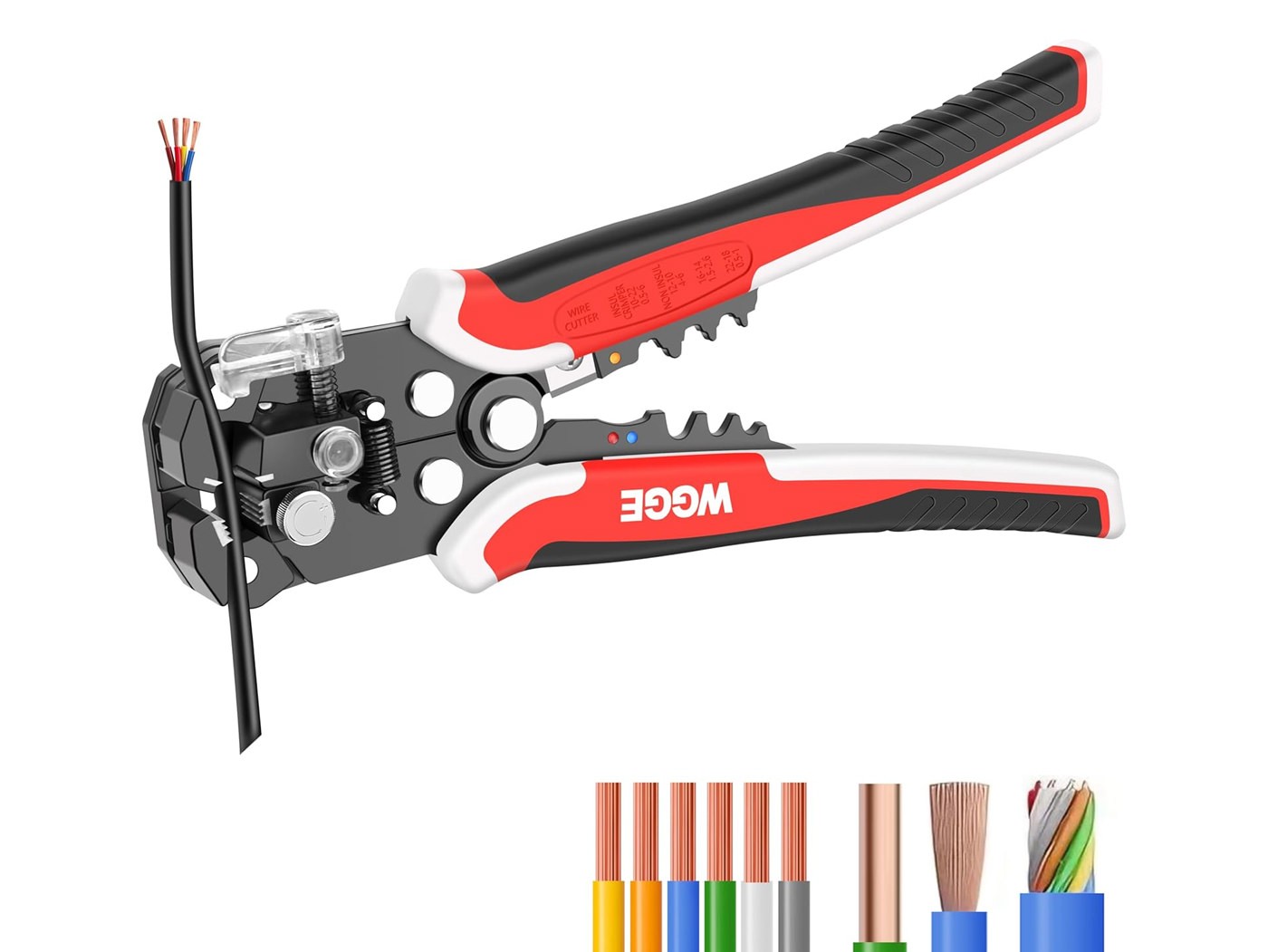
Self-Adjusting Wire Stripper
Traditional wire strippers require guessing and repeated attempts. A self-adjusting stripper removes that process completely. The mechanism adapts automatically, allowing the task to continue without interruption. It feels ordinary until you go back to the old way.
Friction Adds Up
Friction is rarely about one bad product. It is about accumulation. Small inefficiencies compound over time, creating unnecessary effort where none is required. Useful Goods looks for objects that break those cycles. Not by adding features, but by changing how something works or removing a step entirely.
Why Variety Matters
A useful object does not belong to a single lifestyle or aesthetic. It belongs wherever the friction exists. That is why Useful Goods spans multiple systems instead of focusing on one context. A cable, a light, a work tool, and a household fixture can all solve the same problem in different ways. They reduce resistance and restore ease.
This variety is intentional. It reinforces the idea that usefulness is not about category dominance. It is about behavior over time.
What These Objects Share
Despite their differences, these objects share a few traits. They are boring until used. They remove decisions rather than adding them. They work the same way every day. They do not demand attention or explanation. Over time, they become difficult to notice, which is the highest compliment.
Durability plays a role here, but not as a badge. Durable objects simply stay put. They do not reintroduce friction through failure or replacement. Their value is measured in absence rather than presence.
The Standard Going Forward
This is the lens Useful Goods will continue to use. Products will not be added to fill categories or chase completeness. They will be added only when they clearly reduce friction within a system and earn their place through repeat use.
Useful Goods is not a catalog. It is a record of objects that make daily life feel calmer by asking less of the person using them.