
Friction Multiplies Through Frequency
An object used once per month can tolerate inefficiency.
An object used ten times per day cannot.
Each small interruption introduces:
A pause
A correction
A decision
A delay
Individually, these are insignificant. Repeated hundreds of times, they shape the experience of the environment.
Reducing friction at high‑frequency points produces disproportionate improvement.
Stability Removes Repeated Adjustment
Objects that move, loosen, drain, or disconnect create recurring maintenance.
A stable object eliminates the need to correct it repeatedly.
Examples include:

Work
Monitor Light Bar
Remains fixed in position and provides consistent downward light without requiring repositioning or occupying desk space.
Daily
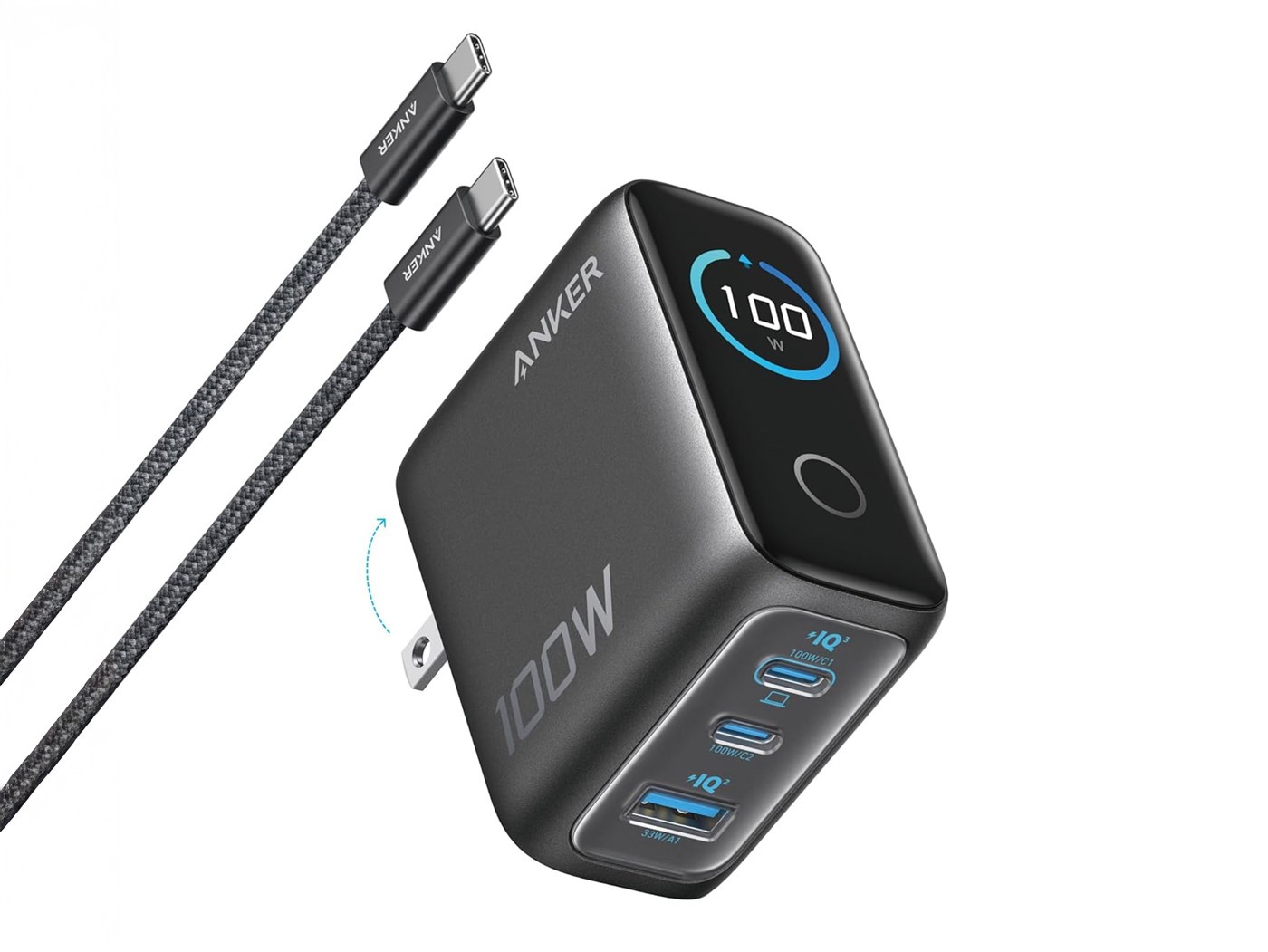
Compact GaN Wall Charger
Allows multiple devices to charge from a single fixed location, reducing outlet switching and adapter movement.
Utility
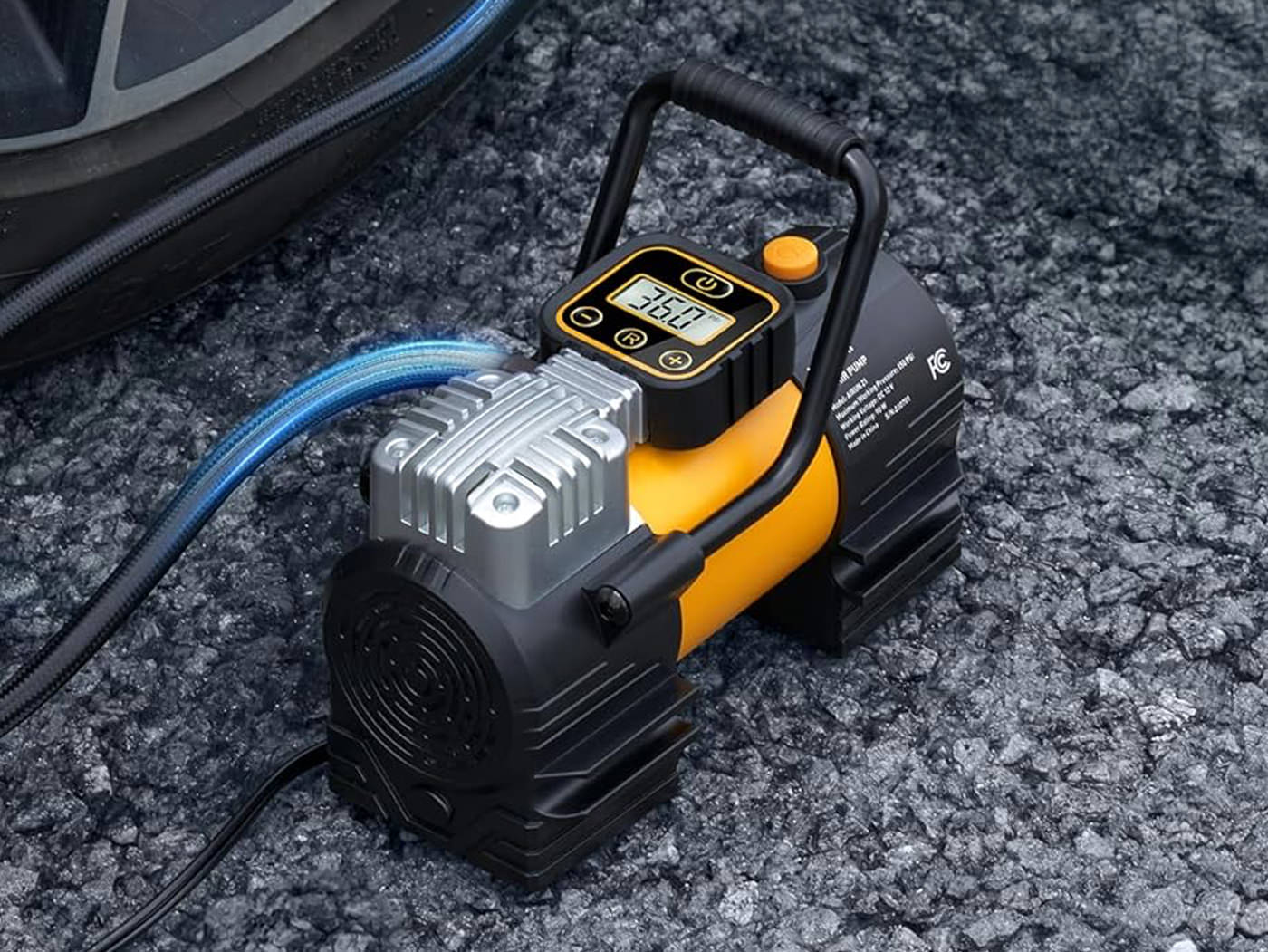
Portable Tire Inflator
Remains stored in the vehicle and draws continuous power without requiring charging, ensuring readiness without maintenance cycles.
Readiness Eliminates Activation Delay
Friction increases when an object requires preparation before use.
Preparation includes:
Charging
Connecting
Locating
Assembling
Useful Goods remain in a ready state. They recover passively between uses.
This allows action to begin immediately.
The absence of preparation reduces hesitation.
The Effect Is Environmental, Not Individual
These improvements do not depend on discipline.
They depend on environment.
When tools remain stable and ready, the environment supports continuous use without intervention.
This shifts effort away from maintenance and toward action.
The improvement is quiet but persistent.
Useful Goods Reduce Repeated Correction
The purpose of a Useful Good is not to eliminate all difficulty. It is to eliminate repeated, unnecessary correction.
When friction is removed at high‑frequency points, the environment becomes easier to use without conscious effort.
The benefit is cumulative.
It appears not as increased capability, but as reduced resistance.